Joshi Hospital

Tag: heart disease treatment in Pune

heart disease treatment in Pune

Heart failure treatment and cardiology consultation at Joshi Hospital Pune

Heart Failure Treatment in Pune: Understanding Symptoms, Diagnosis and Long-Term Care

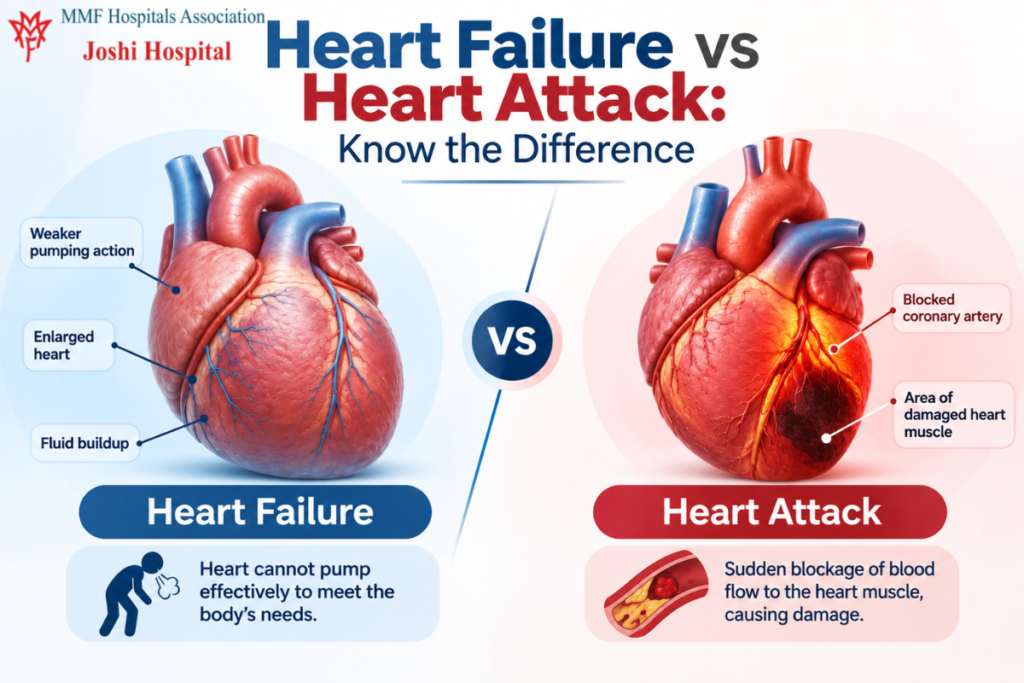
Heart failure is a serious medical condition, but the term can sometimes be misunderstood. It does not mean that the heart has completely stopped working. Instead, heart failure develops when the heart is unable to pump blood effectively enough to meet the body’s needs. For some people, the condition develops gradually over several years. For others, symptoms may appear or worsen more quickly. Early diagnosis, appropriate treatment and regular follow-up can help control symptoms, reduce complications and support a better quality of life. If you or a family member is looking for Heart Failure Treatment in Pune, understanding the condition and knowing when to seek medical attention are important first steps. What Is Heart Failure? The heart continuously pumps oxygen-rich blood throughout the body. When the heart muscle becomes weak, stiff or otherwise unable to function efficiently, blood circulation can be affected. This may also lead to fluid accumulation in the lungs, legs or other parts of the body. Heart failure can affect the heart’s ability to contract effectively, its ability to relax and fill properly, or sometimes both. Importantly, heart failure is usually a condition that requires ongoing management rather than a one-time treatment. What Causes Heart Failure? Heart failure can develop as a result of different cardiovascular conditions. Identifying the underlying cause is an important part of planning treatment. Common causes and contributing conditions may include: Coronary artery disease Previous heart attack Long-standing high blood pressure Heart valve disease Cardiomyopathy or diseases affecting the heart muscle Abnormal heart rhythms Congenital heart conditions Certain metabolic or systemic illnesses In some patients, more than one factor may contribute to the development of heart failure. Common Symptoms of Heart Failure Symptoms can vary depending on the severity and type of heart failure. Some patients initially notice only mild changes in their ability to perform routine activities. Common symptoms may include: Shortness of breath during activity or while resting Difficulty breathing while lying flat Unusual tiredness or weakness Swelling in the feet, ankles or legs Reduced ability to exercise Rapid or irregular heartbeat Persistent cough, particularly when associated with breathlessness Sudden or unexplained weight gain due to fluid retention Reduced appetite or abdominal discomfort in some patients These symptoms do not always mean that a person has heart failure because several other medical conditions can cause similar problems. A proper cardiac evaluation is therefore important. How Is Heart Failure Diagnosed? Diagnosis generally begins with a detailed medical history and clinical examination. The cardiologist may ask about breathlessness, swelling, exercise tolerance, previous heart disease, blood pressure, diabetes, medications and other health conditions. Depending on the individual patient, investigations may include an ECG, echocardiography and relevant blood tests. Additional cardiac investigations may be recommended when necessary. An ECG evaluates the electrical activity and rhythm of the heart, while a 2D echocardiogram can provide important information about the structure of the heart, heart valves and pumping function. The objective is not simply to confirm heart failure but also to understand its type, severity and possible underlying cause. How Is Heart Failure Treated? Heart failure treatment is individualized. There is no single treatment plan that is suitable for every patient. Treatment usually focuses on improving symptoms, supporting heart function, reducing fluid accumulation where present, treating the underlying cause and lowering the risk of worsening disease or hospitalization. 1. Medications Several types of medicines may be used in heart failure management. Depending on the type of heart failure and the patient’s overall health, medications may help reduce the workload on the heart, control blood pressure, remove excess fluid, improve symptoms and reduce the risk of disease progression. Patients should take medicines exactly as prescribed and should not stop or modify heart medications without discussing this with their treating doctor. 2. Managing the Underlying Cause Effective treatment also requires attention to the condition responsible for or contributing to heart failure. For example, treatment may involve management of high blood pressure, coronary artery disease, abnormal heart rhythms or heart valve problems. Controlling diabetes, cholesterol and other cardiovascular risk factors can also form an important part of long-term heart care. 3. Lifestyle Changes Lifestyle measures complement medical treatment. Depending on the patient’s condition, a cardiologist may recommend: Following a heart-healthy diet Monitoring salt intake when advised Maintaining appropriate physical activity Avoiding smoking Limiting alcohol when appropriate Maintaining a healthy body weight Taking medicines regularly Monitoring symptoms and weight Keeping scheduled follow-up appointments Exercise recommendations should be individualized because the appropriate level of activity varies according to the severity and stability of heart failure. Why Regular Follow-Up Matters Heart failure can change over time. A patient who is stable today may require medication adjustments or further evaluation later. Regular cardiac follow-up allows the healthcare team to monitor symptoms, blood pressure, heart function, fluid retention, treatment response and associated medical conditions. Patients and family members should also learn to recognize changes such as increasing breathlessness, worsening swelling or rapid weight gain. When Does Heart Failure Require Urgent Medical Attention? Certain symptoms should not be ignored. Seek urgent medical attention if there is severe or rapidly worsening breathlessness, chest pain, fainting, significant confusion, sudden deterioration or other severe symptoms. A sudden worsening of previously controlled heart failure may require immediate evaluation and hospital-based treatment. Heart Failure Care at Joshi Hospital, Pune At Joshi Hospital, Pune, the Cardiology Department provides evaluation and management for a range of cardiovascular conditions, including heart failure. Heart failure care may involve clinical assessment, cardiac investigations, medication management, lifestyle guidance and regular monitoring according to the patient’s individual condition. The availability of multidisciplinary medical services can also be important because many patients with heart failure have associated conditions such as diabetes, hypertension, kidney problems or other health concerns that may influence treatment. Can Someone Live an Active Life With Heart Failure? For many patients, heart failure can be managed with appropriate medical care and lifestyle changes. The outcome depends on factors such as the underlying cause, severity of disease, associated medical conditions and response to treatment. Adherence to

Heart Failure Treatment in Pune: Understanding Symptoms, Diagnosis and Long-Term Care Read More »

Cardiac emergency vs routine consultation at Joshi Hospital Pune

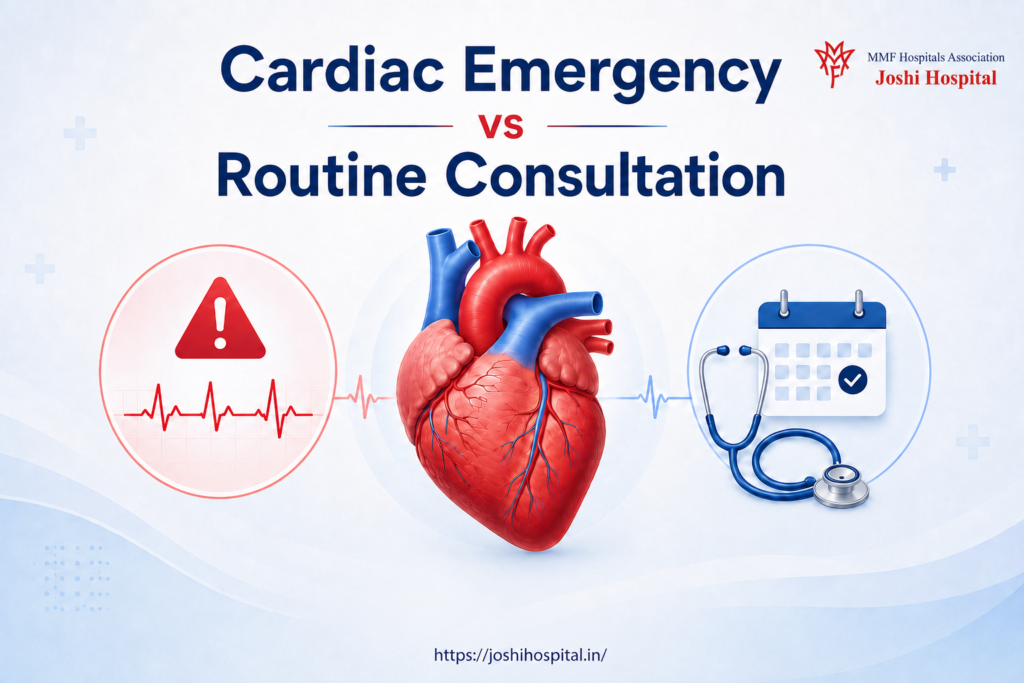
Cardiac Emergency vs Routine Consultation: When Should You Visit a Heart Specialist?

Heart-related symptoms can range from mild and temporary discomfort to signs of a serious cardiac emergency. Knowing the difference between symptoms that require immediate medical attention and those that can be evaluated during a routine consultation can help you make timely decisions about your heart health. At Joshi Hospital, patients can seek medical evaluation for a wide range of heart-related concerns. Whether you are experiencing a sudden symptom or want to understand an ongoing concern, consulting a qualified Heart Specialist in Pune can help determine the appropriate next step. What Is a Cardiac Emergency? A cardiac emergency is a situation where symptoms may indicate a serious problem involving the heart or blood circulation and require urgent medical assessment. Some heart conditions can become serious quickly, so delaying medical care when warning signs are present may be risky. Common symptoms that may require urgent evaluation include: Sudden or severe chest pain, pressure, tightness, or discomfort Chest discomfort spreading toward the arm, shoulder, back, neck, or jaw Severe or unexplained shortness of breath Fainting or sudden loss of consciousness Sudden, severe weakness or unusual sweating accompanied by chest discomfort A rapid or irregular heartbeat associated with dizziness, chest discomfort, or breathlessness Sudden symptoms occurring with a known history of heart disease Not every person experiences a heart problem in the same way. Some people, particularly older adults and individuals with certain medical conditions, may have less typical symptoms. If symptoms are severe, sudden, or rapidly worsening, seek emergency medical care rather than waiting for a routine appointment. When Should You Seek Emergency Cardiac Care? Chest pain is one of the symptoms that should not be ignored, especially when it is sudden, intense, persistent, or accompanied by breathlessness, sweating, nausea, dizziness, or discomfort spreading to other parts of the body. Similarly, sudden difficulty breathing, fainting, or a significant change in heartbeat may require immediate evaluation. It is important not to try to diagnose the cause of these symptoms yourself. Chest discomfort can have many possible causes, including heart, lung, digestive, muscular, or other conditions. A healthcare professional can assess the symptoms and determine whether further cardiac evaluation is necessary. When a symptom appears suddenly and feels significantly different from anything experienced before, it is generally safer to seek prompt medical attention. What Is a Routine Cardiology Consultation? A routine consultation is appropriate when you have a non-urgent concern that needs professional evaluation but there are no signs of an immediate emergency. You may consider scheduling a consultation if you experience: Occasional palpitations without severe associated symptoms Repeated mild chest discomfort that is not sudden or severe Breathlessness during routine activities that has developed gradually High blood pressure requiring monitoring High cholesterol or other cardiovascular risk factors A family history of heart disease Follow-up after previous cardiac investigations or treatment Questions about heart health, lifestyle, or cardiovascular risk Abnormal findings from a previous health check-up A routine appointment allows the doctor to understand your symptoms, medical history, lifestyle, medications, and risk factors. Depending on your individual situation, the cardiologist may recommend appropriate examinations or investigations. Why Should You Not Ignore Recurring Heart Symptoms? Symptoms that appear occasionally may seem harmless, but recurring symptoms deserve attention. For example, repeated palpitations, breathlessness, or chest discomfort may have several possible causes and should be evaluated when they continue or interfere with daily activities. Early medical assessment can help identify potential cardiovascular risk factors and guide appropriate management. It can also help distinguish heart-related symptoms from conditions that may have a different underlying cause. If you are looking for information about heart disease treatment in Pune, discussing your concerns with a qualified cardiac specialist can help you understand what evaluation may be appropriate for your situation. Cardiac Emergency vs Routine Consultation: A Simple Guide The key difference is the severity, suddenness, and associated symptoms. Emergency evaluation may be needed when: Symptoms are sudden or severe. Chest pressure or pain is persistent or worsening. Chest discomfort occurs with breathlessness, sweating, dizziness, nausea, or fainting. Symptoms spread to the arm, jaw, neck, shoulder, or back. There is sudden severe difficulty breathing or loss of consciousness. A routine consultation may be suitable when: Symptoms are mild, occasional, or longstanding without sudden worsening. You want a cardiovascular risk assessment. You have known risk factors such as high blood pressure or high cholesterol. You need follow-up for previously identified heart-related concerns. You want professional advice about maintaining cardiovascular health. This distinction is only a general guide. The appropriate course of action depends on the individual and the symptoms involved. What Happens During a Cardiology Consultation? During a consultation, the cardiologist generally begins by discussing your symptoms and medical history. The doctor may ask when the symptoms started, how frequently they occur, what triggers them, and whether they are associated with physical activity or other symptoms. A physical examination may be followed by investigations when clinically appropriate. Depending on the symptoms and medical history, the doctor may recommend tests such as an electrocardiogram (ECG), blood tests, echocardiography, or other cardiac investigations. The purpose of these evaluations is to understand the possible cause of symptoms and determine an appropriate management plan. Patients searching for a Heart Specialist hospital in Pune should consider factors such as the availability of qualified specialists, appropriate diagnostic facilities, emergency support, and coordinated patient care. How Can You Support Your Heart Health? Heart health is influenced by several factors. Regular physical activity, a balanced diet, adequate sleep, avoiding tobacco, maintaining a healthy weight, and managing conditions such as high blood pressure and high cholesterol can contribute to cardiovascular health. Regular health check-ups can also be useful, particularly for people with known cardiovascular risk factors or a family history of heart disease. However, healthy lifestyle habits do not replace medical attention when concerning symptoms occur. Choose the Right Care at the Right Time Knowing when to seek emergency care and when to schedule a routine consultation can help you respond appropriately to heart-related symptoms. Sudden or severe symptoms should never be ignored,

Cardiac Emergency vs Routine Consultation: When Should You Visit a Heart Specialist? Read More »