Joshi Hospital

Category: Blog

Blog

Heart health after 40 and cardiac screening guide by Joshi Hospital Pune

Heart Health After 40: A Practical Cardiac Screening Guide for Pune Residents

Heart health becomes increasingly important as we enter our 40s. While many people associate heart disease with older age, conditions such as high blood pressure, high cholesterol, and diabetes can begin affecting cardiovascular health much earlier, often without noticeable symptoms. For people living in Pune, busy work schedules, prolonged sitting, stress, irregular meals, and limited physical activity can make maintaining a healthy lifestyle challenging. However, understanding your risk factors and undergoing appropriate cardiac screening can help identify potential problems before serious complications develop. At Joshi Hospital, Maharashtra Medical Foundation, we believe that awareness, preventive healthcare, and timely medical guidance play an important role in maintaining long-term heart health. This guide explains which heart health tests may be useful after 40, who needs screening, and how everyday lifestyle changes can support a healthier heart. Why Is Heart Health Screening Important After 40? As we age, our risk of cardiovascular conditions generally increases. Blood vessels may become less flexible, and factors such as cholesterol levels, blood pressure, blood sugar, family history, and lifestyle habits can influence heart health. Some cardiovascular risk factors develop silently. For example, high blood pressure and elevated cholesterol may not cause obvious symptoms until complications occur. Regular preventive assessments can help with: Identifying high blood pressure, diabetes, and abnormal cholesterol levels. Estimating the risk of heart attack and stroke. Detecting lifestyle-related risk factors. Planning appropriate treatment and follow-up. Encouraging healthier long-term habits. Important: Turning 40 does not automatically mean everyone needs an ECG, echocardiogram, or stress test. Screening should be selected according to individual symptoms, medical history, and cardiovascular risk. 7 Important Heart Health Checks to Consider After 40 1. Blood Pressure Monitoring High blood pressure is a major risk factor for heart disease and stroke. It often develops without symptoms, making regular measurement essential. Adults should have their blood pressure checked periodically. Those with hypertension, diabetes, kidney disease, or other risk factors may need more frequent monitoring. 2. Lipid Profile Test A lipid profile measures cholesterol and triglyceride levels, including LDL and HDL cholesterol. Elevated LDL cholesterol can contribute to plaque buildup in the arteries, increasing cardiovascular risk over time. Your doctor can recommend how frequently to repeat the test based on previous results and overall risk. 3. Blood Sugar and HbA1c Testing Diabetes increases the risk of cardiovascular disease. Blood glucose and HbA1c tests can help identify diabetes or prediabetes. Screening is particularly relevant for people who are overweight, have a family history of diabetes, or have other metabolic risk factors. 4. Body Mass Index and Waist Measurement Excess body weight, especially abdominal fat, can be associated with high blood pressure, insulin resistance, and unhealthy cholesterol levels. BMI and waist circumference help assess weight-related health risks, although they should be interpreted alongside other clinical findings. 5. Electrocardiogram (ECG) An ECG records the electrical activity of the heart. It can help assess certain rhythm abnormalities and other cardiac concerns. However, a routine ECG is not necessary for every symptom-free adult. A cardiologist may recommend it when symptoms or clinical findings justify testing. 6. Echocardiography (2D Echo) An echocardiogram uses ultrasound to assess the heart’s structure, pumping function, and valves. It may be advised when a patient has breathlessness, a heart murmur, suspected heart failure, or other specific indications. 7. Cardiac Stress Testing A stress test evaluates how the heart responds to physical exertion or medication. It may be recommended for selected patients with symptoms or suspected coronary artery disease. It is not generally advised as routine screening for all healthy adults over 40. Who Should Pay Special Attention to Heart Screening? Certain individuals may benefit from earlier or more frequent cardiovascular risk assessments. These include people with: A family history of premature heart disease. High blood pressure or diabetes. High LDL cholesterol. Tobacco use or exposure. Excess abdominal weight. Chronic kidney disease. Limited physical activity. A previous cardiovascular condition. A cardiologist can evaluate these factors together rather than relying on any single test result. Warning Signs That Should Never Be Ignored Some heart-related symptoms require prompt medical attention, regardless of age. Watch for chest pressure or discomfort, unusual shortness of breath, fainting, unexplained sweating, or discomfort spreading to the arm, back, neck, or jaw. Women, older adults, and people with diabetes may sometimes experience less typical symptoms. Seek emergency medical care immediately if you experience symptoms suggesting a heart attack. Do not wait for a routine screening appointment or attempt to diagnose the symptoms yourself. Simple Lifestyle Changes for Better Heart Health After 40 Cardiac screening is only one part of prevention. Everyday habits can also make a meaningful difference. Stay Physically Active Aim for at least 150 minutes of moderate-intensity aerobic activity each week, if medically appropriate. Brisk walking, cycling, swimming, and other enjoyable activities can support cardiovascular fitness. Choose Heart-Friendly Foods Include vegetables, fruits, whole grains, pulses, nuts, and other fibre-rich foods in your diet. Limit excessive salt, trans fats, and highly processed foods. Maintain Healthy Sleep Habits Most adults benefit from approximately seven to nine hours of sleep each night. Consistent sleep patterns can support overall health. Avoid Tobacco Smoking and other forms of tobacco use increase cardiovascular risk. Quitting tobacco is one of the most important steps toward better heart health. Manage Stress Relaxation techniques, regular exercise, sufficient rest, and supportive social connections may help manage stress. Persistent stress or anxiety may require professional support. Cardiac Screening in Pune: When Should You Visit a Cardiologist? If you are over 40 and have multiple cardiovascular risk factors, a family history of premature heart disease, or concerning symptoms, consider discussing your heart health with a qualified healthcare professional. A consultation may include a review of your medical history, blood pressure, lifestyle, family history, previous test results, and current symptoms. At Joshi Hospital, Maharashtra Medical Foundation, patients seeking heart health guidance in Pune can discuss their concerns and the need for appropriate cardiac evaluation. For more information, visit Joshi Hospital. Frequently Asked Questions About Heart Health After 40 1. What heart tests should I get

Heart Health After 40: A Practical Cardiac Screening Guide for Pune Residents Read More »

Cardiologist discussing heart health with a patient at Joshi Hospital Pune

Role of a Cardiologist in Your Life: From Prevention to Long-Term Heart Care

Your heart works continuously throughout your life, supplying oxygen and nutrients to every part of your body. Protecting it is therefore not something that should begin only when chest pain or another serious symptom appears. Prevention, timely evaluation, appropriate treatment and regular follow-up all play an important role in maintaining cardiovascular health. A cardiologist is a doctor who specialises in diagnosing and managing conditions involving the heart and blood vessels. From assessing cardiovascular risk factors to managing established heart disease, a cardiologist can become an important part of your healthcare journey. At Joshi Hospital, Pune, cardiac care focuses on preventive assessment, appropriate diagnosis, personalised management and long-term monitoring of heart-related conditions. What Does a Cardiologist Do? A cardiologist evaluates the health of your heart and cardiovascular system. Depending on your symptoms, medical history and risk factors, the cardiologist may recommend investigations to understand how your heart is functioning. A cardiologist commonly evaluates and manages conditions such as: High blood pressure High cholesterol Coronary artery disease Irregular heart rhythms or arrhythmias Heart failure Heart valve disorders Chest pain and suspected cardiac conditions Cardiovascular risk in people with diabetes or a family history of heart disease Importantly, you do not always need to have diagnosed heart disease before consulting a cardiologist. Preventive evaluation may be appropriate for people with significant cardiovascular risk factors. 1. Helping You Understand Your Heart Disease Risk One of the most valuable roles of a cardiologist is identifying factors that may increase your future risk of cardiovascular disease. These may include high blood pressure, diabetes, high cholesterol, smoking, excess body weight, physical inactivity and a family history of cardiovascular disease. Some of these conditions may remain unnoticed because they do not necessarily cause obvious symptoms in their early stages. A cardiovascular risk assessment can help identify concerns and guide appropriate preventive measures. 2. Recognising Symptoms That May Need Further Evaluation Heart-related conditions do not always present in the same way. Symptoms such as chest discomfort, unexplained breathlessness, palpitations, unusual fatigue, dizziness or fainting may require medical assessment depending on their severity and circumstances. A cardiologist can evaluate these symptoms together with your medical history, physical examination and appropriate investigations rather than relying on symptoms alone. Sudden or severe chest pain, significant breathing difficulty, fainting or symptoms suggestive of a heart attack should be treated as a medical emergency rather than waiting for a routine appointment. 3. Choosing the Right Heart Tests Not every patient requires every cardiac test. Based on your symptoms and clinical findings, a cardiologist may recommend investigations such as an ECG, 2D Echocardiography, Treadmill Test (TMT), Holter monitoring or relevant blood investigations. These tests can provide information about heart rhythm, structure, pumping function and how the cardiovascular system responds under different circumstances. The cardiologist’s role is not simply to order tests but to interpret the results alongside the complete clinical picture and determine what they mean for the individual patient. 4. Managing High Blood Pressure and Cholesterol High blood pressure and abnormal cholesterol levels are important cardiovascular risk factors. A cardiologist can assess your overall cardiovascular risk and determine whether lifestyle changes, medication or a combination of approaches may be appropriate. Regular follow-up also allows treatment to be reviewed and adjusted when clinically necessary. Heart care is therefore often a long-term process rather than a single consultation. 5. Guiding Lifestyle Changes for Better Heart Health Medication is only one component of cardiovascular care. Depending on an individual’s health condition, a cardiologist may also recommend changes involving diet, physical activity, weight management, smoking cessation, sleep and other lifestyle factors. Rather than following generic advice found online, people with existing heart disease or significant cardiovascular risk may benefit from recommendations suited to their individual health status. 6. Managing Existing Heart Conditions For patients already diagnosed with a cardiovascular condition, regular cardiology follow-up can be particularly important. Conditions such as coronary artery disease, arrhythmias, hypertension, heart failure and valvular heart disease may require ongoing monitoring. Follow-up visits allow the cardiologist to review symptoms, assess response to treatment, monitor relevant investigations and make changes to the care plan when required. 7. Supporting Recovery and Long-Term Heart Care The cardiologist’s role does not necessarily end after treatment for a cardiac problem. Patients who have experienced a heart attack or undergone a cardiac procedure may require continued monitoring, medication review, risk-factor management and guidance regarding appropriate lifestyle changes. Long-term cardiac care aims to help patients manage their condition and reduce avoidable cardiovascular risks. When Should You Consider Seeing a Cardiologist? You may be advised to consult a cardiologist if you have persistent or concerning chest discomfort, unexplained breathlessness, recurring palpitations, fainting, known heart disease or significant cardiovascular risk factors. People with diabetes, hypertension, high cholesterol or a strong family history of cardiovascular disease may also benefit from discussing their individual heart risk with a qualified healthcare professional. The need for specialist consultation and the frequency of heart check-ups vary from person to person. Cardiologist – Cardiac Care at Joshi Hospital If you are looking for a Cardiologist, Joshi Hospital provides cardiac evaluation and management for a range of cardiovascular conditions. The Cardiology Department at Joshi Hospital offers services including cardiac consultation, preventive assessment and diagnostic evaluation using facilities such as ECG, 2D Echocardiography, TMT and Holter monitoring. The aim is to understand each patient’s symptoms, medical history and cardiovascular risk factors before recommending an appropriate care plan. Frequently Asked Questions What is the role of a cardiologist in your life? A cardiologist helps assess cardiovascular risk, diagnose heart-related conditions, recommend appropriate treatment and provide ongoing management for patients who require cardiac care. Should I see a cardiologist even if I have no symptoms? Not everyone without symptoms requires specialist consultation. However, people with significant cardiovascular risk factors or a strong family history of heart disease may be advised to undergo further evaluation. Your physician can help determine whether specialist assessment is appropriate. What tests can a cardiologist recommend? Depending on your clinical situation, tests may include an ECG, echocardiogram, TMT, Holter

Role of a Cardiologist in Your Life: From Prevention to Long-Term Heart Care Read More »

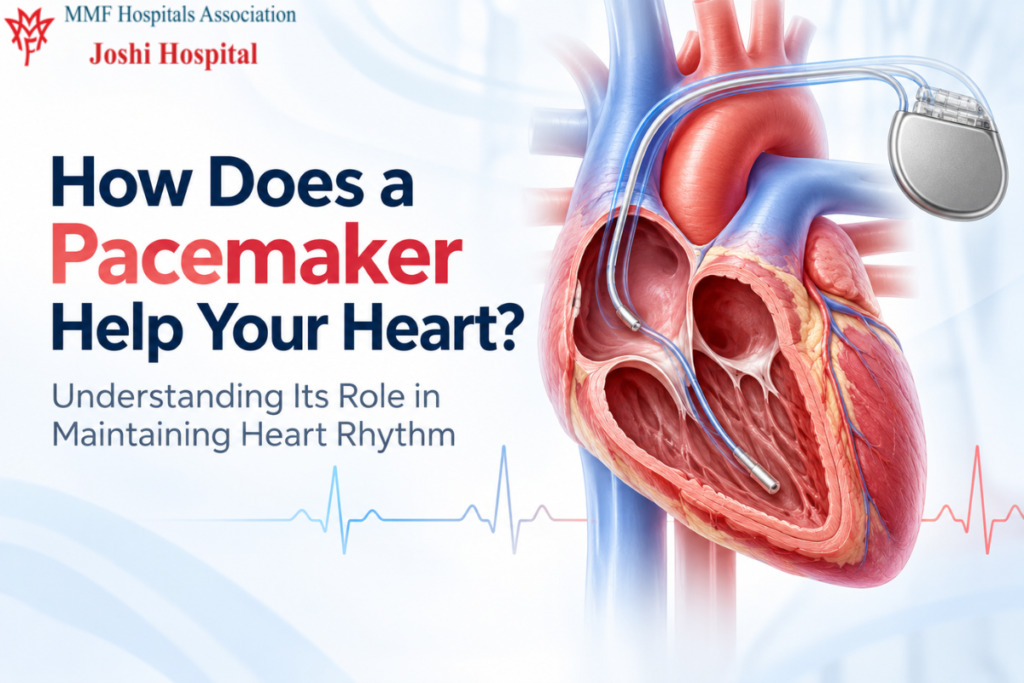
Pacemaker device helping maintain normal heart rhythm

How Does a Pacemaker Help Your Heart? Understanding Its Role in Maintaining Heart Rhythm

The heart works continuously by maintaining a regular rhythm that allows blood to circulate throughout the body. However, certain heart rhythm disorders can cause the heartbeat to become too slow, irregular, or inefficient. In such situations, a pacemaker can help support the heart’s electrical system and maintain a more regular heartbeat. A pacemaker is a small medical device placed under the skin that sends electrical impulses to the heart when needed. It helps manage specific rhythm problems and allows many patients to continue their daily activities with improved confidence and safety. For individuals looking for advanced cardiac evaluation and treatment, Joshi Hospital, Maharashtra Medical Foundation provides comprehensive healthcare support with experienced medical professionals and patient-focused care. What Is a Pacemaker? A pacemaker is a small electronic device designed to regulate the heartbeat. It consists of: Pulse generator: A small battery-powered unit that creates electrical signals. Leads (wires): Thin wires placed near the heart muscle to deliver electrical impulses. The pacemaker monitors the heart’s rhythm and provides stimulation when the heart rate becomes too slow or irregular. How Does a Pacemaker Help the Heart? The heart has a natural electrical system that controls each heartbeat. Sometimes, problems with this system can affect the heart’s ability to maintain a normal rhythm. A pacemaker helps by: 1. Maintaining a Regular Heartbeat If the heart beats too slowly (bradycardia), the pacemaker sends electrical signals to encourage the heart to beat at an appropriate rate. 2. Improving Blood Circulation A steady heartbeat helps the heart pump blood effectively to organs and tissues throughout the body. 3. Reducing Symptoms Related to Slow Heart Rhythm Some patients with rhythm disorders may experience: Dizziness Fatigue Shortness of breath Fainting episodes Reduced exercise capacity By supporting heart rhythm, a pacemaker may help improve daily functioning. When Is a Pacemaker Recommended? A cardiologist may recommend a pacemaker after evaluating the patient’s heart rhythm, symptoms, and medical history. Common conditions where a pacemaker may be considered include: 1. Bradycardia (Slow Heart Rate) When the heart beats slower than normal and cannot supply adequate blood flow, a pacemaker may help regulate the rhythm. 2. Heart Block Heart block occurs when electrical signals from the upper chambers of the heart do not properly reach the lower chambers. 3. Certain Rhythm Disorders Some abnormal heart rhythms affecting the heart’s electrical system may require pacemaker support. 4. Age-Related Changes in the Heart’s Electrical System In some older adults, the natural conduction system of the heart may become less effective over time. What Happens During Pacemaker Implantation? Pacemaker implantation is usually performed by a cardiac specialist under local anaesthesia. The general steps include: A small incision is made near the collarbone area. Leads are guided through a blood vessel into the heart. The pacemaker device is placed under the skin. The device is tested to ensure proper functioning. The incision is closed. The exact procedure and recovery period may vary depending on the patient’s health condition. Benefits of Having a Pacemaker A pacemaker can provide several benefits for suitable patients, including: ✔ Helps maintain a stable heart rhythm ✔ Supports normal heart function ✔ May reduce symptoms caused by slow heartbeat ✔ Helps patients return to daily activities after recovery ✔ Provides long-term rhythm support when required The decision to implant a pacemaker is always based on individual evaluation by a qualified cardiologist. Life After Pacemaker Implantation Many patients with pacemakers can lead active and fulfilling lives. However, regular follow-up is important to monitor device function. Patients are generally advised to: Attend scheduled pacemaker check-ups Follow medication instructions if prescribed Inform healthcare providers about their pacemaker before procedures Maintain a heart-healthy lifestyle Monitor any new symptoms Frequently Asked Questions (FAQs) 1. Does a pacemaker cure heart disease? A pacemaker helps manage certain heart rhythm problems. It does not cure all heart conditions but supports the heart’s electrical function. 2. How long does a pacemaker last? The battery life depends on the type of device, usage, and patient condition. Regular monitoring helps determine when replacement may be needed. 3. Can a person live normally with a pacemaker? Yes, many people with pacemakers return to their normal routines after recovery and regular medical follow-up. 4. Is pacemaker implantation a major surgery? Pacemaker implantation is a commonly performed procedure. The suitability and risks depend on individual health factors and should be discussed with a cardiologist. Why Choose Joshi Hospital, Maharashtra Medical Foundation for Heart Care? Choosing the right healthcare facility is important for diagnosis, treatment planning, and long-term heart management. Joshi Hospital, Maharashtra Medical Foundation focuses on providing patient-centred medical care with appropriate evaluation, advanced facilities, and expert guidance for various cardiac conditions. Patients experiencing symptoms related to irregular heartbeat or rhythm problems should seek timely medical advice for proper diagnosis and management. Conclusion A pacemaker plays an important role in supporting patients with certain heart rhythm disorders by helping maintain a steady heartbeat. Early evaluation, accurate diagnosis, and regular follow-up can help patients manage heart rhythm conditions effectively. If you experience symptoms such as dizziness, fainting, unusual fatigue, or irregular heartbeat, consult a healthcare professional for appropriate assessment. For cardiac evaluation and treatment guidance, connect with Joshi Hospital, Maharashtra Medical Foundation.

How Does a Pacemaker Help Your Heart? Understanding Its Role in Maintaining Heart Rhythm Read More »

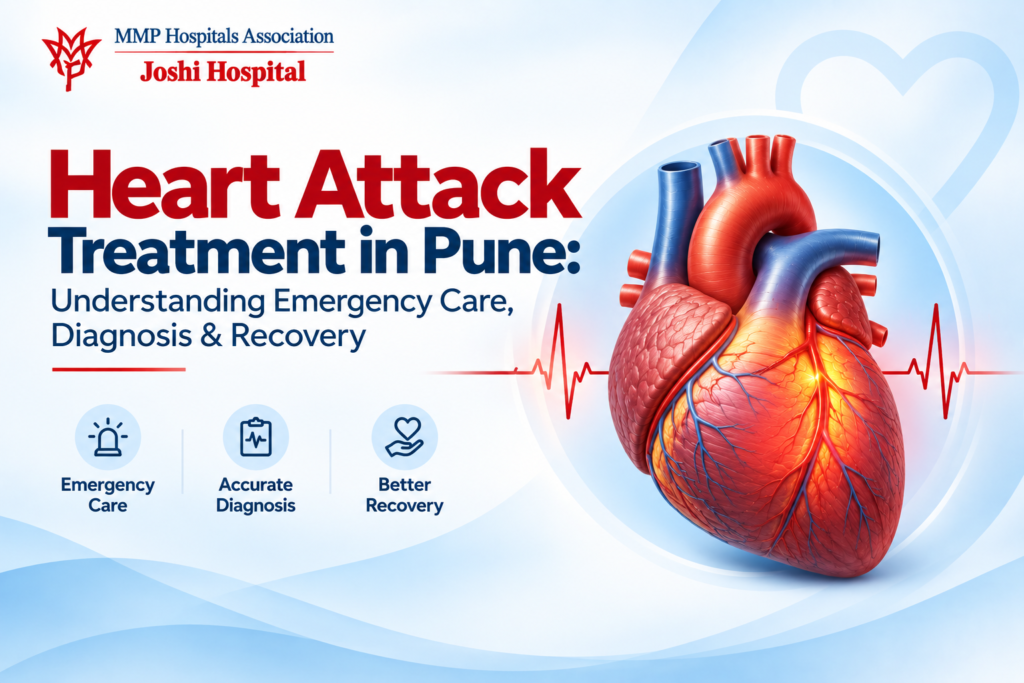
Heart Attack Treatment in Pune at Joshi Hospital

Heart Attack Treatment in Pune: Understanding Emergency Care, Diagnosis & Recovery

A heart attack is a medical emergency in which blood flow to a part of the heart muscle becomes severely reduced or blocked. When this happens, the affected heart muscle does not receive enough oxygen and can begin to suffer damage. For patients and families searching for Heart Attack Treatment in Pune, understanding what happens during the first few minutes and hours can help them recognize why timely medical care matters. At Joshi Hospital, Pune, cardiac care includes evaluation of acute chest pain and suspected heart attacks, diagnostic assessment, emergency management and ongoing cardiovascular care. What Happens During a Heart Attack? A heart attack is medically known as a myocardial infarction (MI). Most heart attacks are related to coronary artery disease. Over time, fatty deposits known as plaque can accumulate within the coronary arteries that supply blood to the heart muscle. If a plaque becomes disrupted or ruptures, a blood clot may develop. The clot can suddenly reduce or completely stop blood flow through the affected artery. Without adequate oxygen-rich blood, the heart muscle can become damaged. This is why suspected heart attack symptoms should not be watched at home while waiting to see whether they improve. What Are the Warning Signs of a Heart Attack? Heart attacks do not always look the same. Some people experience sudden, intense chest pain. Others develop relatively mild or less typical symptoms. Possible warning signs include: Pressure, heaviness, squeezing or discomfort in the chest Pain or discomfort spreading to the arm, shoulder, jaw, neck or back Shortness of breath Cold sweating Nausea or vomiting Dizziness or light-headedness Unusual weakness or fatigue Rapid or irregular heartbeat Women, older adults and people with diabetes may sometimes experience less typical symptoms, although anyone can have an atypical presentation. If you suspect a heart attack, seek emergency medical assistance immediately rather than attempting to diagnose the symptoms yourself. How Is a Heart Attack Diagnosed? When a patient reaches the emergency department with symptoms suggestive of a heart attack, the priority is rapid clinical assessment. Doctors may use several investigations depending on the patient’s condition. 1. ECG An electrocardiogram (ECG) records the electrical activity of the heart. It is an important early investigation in suspected acute coronary syndrome and can help doctors identify changes that may indicate a heart attack or other cardiac problem. 2. Cardiac Troponin Blood Test Troponin is a protein released into the bloodstream when heart muscle is injured. Measuring cardiac troponin can help doctors determine whether heart-muscle injury has occurred. Depending on the clinical situation, repeat measurements may be required. 3. Echocardiography An echocardiogram uses ultrasound to evaluate the heart’s structure and function. It can help assess: Heart pumping function Movement of different areas of the heart muscle Heart valves Certain complications associated with a heart attack 4. Coronary Angiography Coronary angiography allows cardiologists to visualize the arteries supplying blood to the heart. If a significant blockage is identified, angiography can help doctors decide whether blood flow should be restored using angioplasty and stenting or whether another revascularization strategy is appropriate. STEMI vs NSTEMI: Why the Type of Heart Attack Matters Heart attacks are not all identical. Two important clinical categories are: STEMI A ST-elevation myocardial infarction (STEMI) is generally associated with an acute coronary artery occlusion and characteristic ECG findings. Restoring blood flow rapidly is a major priority. NSTEMI A non-ST-elevation myocardial infarction (NSTEMI) also involves heart-muscle injury but may have a different pattern on the ECG and coronary angiography. The timing and type of invasive treatment depend on the patient’s clinical risk, symptoms, investigations and overall condition. Both conditions require medical evaluation and appropriate treatment. How Is a Heart Attack Treated? Treatment is individualized according to the type of heart attack, severity of symptoms, coronary anatomy, bleeding risk, other medical conditions and the patient’s overall clinical status. Medicines Used During Heart Attack Care Depending on the individual patient, doctors may use medicines such as: Antiplatelet medicines Anticoagulants Cholesterol-lowering therapy Medicines to relieve ischemic symptoms when appropriate Other cardiovascular medicines according to clinical need These medications are not suitable for every person in exactly the same way. Patients should not self-medicate or change prescribed heart medicines without medical advice. Angioplasty and Stent Placement Percutaneous coronary intervention (PCI) is commonly used to restore blood flow through a significantly narrowed or blocked coronary artery. During PCI, a catheter is guided through a blood vessel to the affected coronary artery. A small balloon may be inflated to open the narrowed area, and a coronary stent is commonly placed to help keep the artery open. For appropriate patients with an acute heart attack, timely PCI can restore coronary blood flow and limit ongoing heart-muscle injury. When Might Bypass Surgery Be Considered? Not every coronary blockage is best treated with a stent. Coronary artery bypass grafting (CABG) may be considered in selected patients depending on factors such as: Number of coronary arteries affected Location of the disease Complexity of the coronary blockages Diabetes Heart function Other medical conditions Suitability for PCI Surgical risk The decision between PCI and CABG should therefore be based on the individual patient’s clinical circumstances and coronary anatomy. Why Time Matters During a Heart Attack During a heart attack, prolonged interruption of blood supply can lead to greater heart-muscle damage. That is why recognizing symptoms and seeking emergency medical care promptly is important. A common mistake is assuming chest discomfort is due to gas, acidity, muscular pain or stress and waiting several hours before seeking medical attention. Symptoms alone cannot reliably determine their cause. When chest discomfort is new, severe, persistent or associated with sweating, breathlessness, nausea, faintness or pain spreading to the arm or jaw, urgent assessment is appropriate. What Happens After Heart Attack Treatment? Treatment does not end after blood flow has been restored. A heart attack indicates underlying cardiovascular disease that requires continued management. After stabilization, the treating team may evaluate: Heart pumping function Cholesterol levels Blood pressure Blood glucose or diabetes Kidney function Smoking or tobacco exposure Body weight

Heart Attack Treatment in Pune: Understanding Emergency Care, Diagnosis & Recovery Read More »

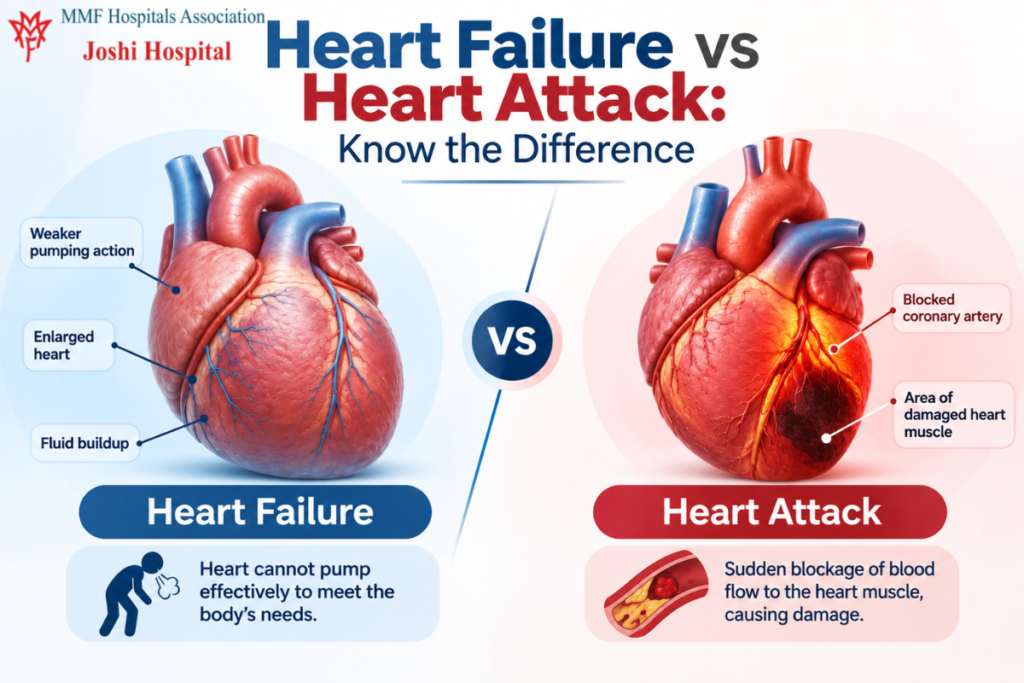
Heart failure vs heart attack difference

Heart Failure vs Heart Attack: Know the Difference

The terms heart attack and heart failure are sometimes used interchangeably in everyday conversation, but medically, they describe two different conditions. A heart attack usually occurs when blood flow to part of the heart muscle is suddenly reduced or blocked. Heart failure, on the other hand, means the heart is unable to pump or fill with blood well enough to meet the body’s needs. There is also an important connection between them: a heart attack can damage the heart muscle and may contribute to heart failure in some patients. Understanding the difference can help people recognize warning signs and know when urgent medical attention may be necessary. At Joshi Hospital, Pune, patient education is an important part of cardiovascular care because recognizing symptoms early can help patients seek appropriate medical evaluation without unnecessary delay. What Is a Heart Attack? A heart attack, medically known as a myocardial infarction, occurs when a portion of the heart muscle does not receive enough blood. A common underlying reason is coronary artery disease, in which fatty deposits called plaque build up inside the coronary arteries. If a plaque ruptures and a blood clot forms, blood flow through the artery can become severely restricted or completely blocked. Without adequate blood and oxygen, heart muscle can become damaged. The longer significant blood-flow interruption continues, the greater the potential for heart-muscle injury. This is why a suspected heart attack should be treated as a medical emergency. Common Warning Signs of a Heart Attack Heart attack symptoms are not identical in every person. Some heart attacks begin suddenly with severe symptoms, while others may begin more gradually. Possible warning signs include: Pressure, squeezing, heaviness, fullness or discomfort in the chest Pain or discomfort spreading to one or both arms Discomfort in the shoulder, back, neck or jaw Shortness of breath Cold sweating Nausea or vomiting Light-headedness or faintness Unusual weakness or fatigue Women may sometimes report additional symptoms such as unusual tiredness, nausea, upper-back discomfort or shortness of breath, although chest discomfort remains an important heart-attack symptom. Do not try to diagnose a suspected heart attack at home. New or concerning symptoms require prompt medical assessment. What Is Heart Failure? Despite its name, heart failure does not mean that the heart has completely stopped working. It means the heart is not pumping enough blood for the body’s needs or is having difficulty filling properly. Heart failure can develop gradually over months or years, although it can sometimes worsen suddenly. When the heart cannot circulate blood efficiently, people may experience fatigue and breathlessness. Fluid may also accumulate in the lungs, legs, ankles or other parts of the body. Common Symptoms of Heart Failure Symptoms depend on the type and severity of heart failure. Common symptoms can include: Shortness of breath during activity Breathlessness while resting or lying flat Persistent tiredness or weakness Reduced ability to exercise or perform routine activities Swelling of the feet, ankles or legs Persistent cough or wheezing Rapid or irregular heartbeat Fluid-related weight gain Reduced appetite or nausea Difficulty sleeping because of breathlessness A person who previously climbed stairs comfortably but gradually starts becoming unusually breathless or tired may need cardiovascular evaluation. Similarly, increasing ankle swelling or difficulty breathing while lying flat should not simply be attributed to ageing without appropriate medical assessment. Heart Attack vs Heart Failure: The Main Difference The simplest way to understand the distinction is: Heart Attack = A blood-flow problem affecting the heart muscle Heart Failure = A problem with the heart’s ability to pump or fill effectively A heart attack is generally an acute event requiring urgent treatment. Heart failure is often a long-term clinical condition, although sudden deterioration can occur and may also require emergency care. Can a Heart Attack Cause Heart Failure? Yes, it can. When a heart attack damages a significant portion of heart muscle, the affected heart may become less effective at pumping blood. Over time, this damage can contribute to the development of heart failure. However, not everyone who experiences a heart attack develops heart failure, and heart attacks are not the only cause of heart failure. What Else Can Cause Heart Failure? Heart failure can develop because of several underlying cardiovascular conditions. These may include: Coronary artery disease Previous heart attack Long-standing high blood pressure Heart muscle disease or cardiomyopathy Heart valve disorders Certain abnormal heart rhythms Some congenital heart conditions Other medical conditions that damage or place excessive strain on the heart Identifying the underlying cause is important because heart failure treatment is not identical for every patient. How Are Heart Attack and Heart Failure Diagnosed? Because symptoms can overlap with other medical conditions, diagnosis should be based on medical assessment rather than symptoms alone. Evaluating a Suspected Heart Attack Depending on the clinical situation, doctors may use: Electrocardiogram (ECG): Records the heart’s electrical activity and may identify changes associated with a heart attack. Blood Tests: Cardiac troponin testing can help identify injury to heart muscle. Echocardiography: May be used to evaluate heart function and how different areas of the heart are moving. Coronary Angiography: In appropriate cases, angiography can identify significant narrowing or blockage in coronary arteries and help guide treatment. Evaluating Suspected Heart Failure Evaluation may include: Medical History and Examination: Symptoms, previous heart conditions and risk factors are reviewed. Echocardiography: An important test used to assess the structure and function of the heart. Blood Tests: Tests may include BNP or NT-proBNP in appropriate clinical situations, as well as assessment of kidney function and other relevant parameters. ECG and Chest Imaging: These may provide additional information depending on symptoms and clinical findings. Not every patient requires every test. Investigations are selected according to the individual’s presentation. Is Ejection Fraction Important in Heart Failure? Yes, but it is only one part of the assessment. Ejection fraction (EF) measures the proportion of blood pumped out of the heart’s main pumping chamber during each contraction. Some patients have heart failure with a reduced ejection fraction, while others can have symptoms of heart

Heart Failure vs Heart Attack: Know the Difference Read More »