Joshi Hospital

Tag: Cardiology Hospital in Pune

Cardiology Hospital in Pune

Patient discussing heart health questions during a cardiologist consultation at Joshi Hospital

Cardiologist Consultation: What Questions Should You Ask During Your First Visit?

Your first appointment with a cardiologist is an important step towards understanding and protecting your heart health. Whether you have been referred because of chest discomfort, high blood pressure, breathlessness or an abnormal test result, arriving prepared can make the consultation more productive. Many patients feel anxious during their first visit and may forget what they wanted to discuss. Preparing a list of questions can help you understand your condition, participate in treatment decisions and leave the appointment with a clearer plan. If you are planning a cardiologist consultation in Pune, here are some useful questions to ask during your first visit. What Should You Carry to Your Cardiologist Consultation? Before discussing questions, gather all relevant health information. A cardiologist needs a complete picture rather than a single symptom or test report. Consider carrying: Previous ECG, echocardiogram, stress test or angiography reports Recent blood test results Hospitalisation or surgery records A list of prescription medicines Details of supplements and over-the-counter medicines Information about medicine allergies Your blood pressure or blood sugar readings, if monitored at home Details of heart disease, stroke, diabetes or high cholesterol in your family The American Heart Association recommends preparing for medical visits by organising symptoms, medicines and concerns in advance. This allows the available consultation time to be used effectively. 1. What Could Be Causing My Symptoms? Begin by asking the cardiologist what may be causing your symptoms. Chest pain, breathlessness, palpitations, dizziness and fatigue can occur for several reasons. Some may be related to the heart, while others may be linked to the lungs, digestive system, anaemia, anxiety or another condition. Explain: When the symptom first began How often it occurs How long it lasts Whether it appears during exercise or at rest What makes it better or worse Whether it is accompanied by sweating, nausea or fainting Clear symptom details can help the cardiologist decide whether you require further evaluation. 2. What Is My Risk of Developing Heart Disease? A first consultation is also an opportunity to understand your future cardiovascular risk. Ask whether factors such as your age, weight, blood pressure, cholesterol, diabetes, smoking history or family history increase your risk. The National Heart, Lung, and Blood Institute advises patients to discuss blood pressure, cholesterol, blood sugar, body weight and other heart-related measurements with their healthcare provider. A personalised risk assessment can guide decisions about preventive heart care, lifestyle modification and follow-up testing. 3. Which Heart Tests Do I Need and Why? Not every patient needs every cardiac test. Your cardiologist may recommend investigations based on your symptoms, examination and medical history. Possible tests may include: Electrocardiogram or ECG Echocardiogram Exercise stress test Holter monitoring Blood tests CT coronary angiography Conventional coronary angiography Ask what each test measures, why it is being recommended and whether any preparation is required. You can also ask about possible risks, alternatives and when the results will be available. Understanding the purpose of a cardiac evaluation can reduce anxiety and help you make an informed decision. 4. What Do My Test Results Mean? Medical reports often contain numbers and terminology that can be difficult to understand. Ask your cardiologist to explain the results in simple language. Useful questions include: Is my blood pressure within a healthy range? What do my cholesterol levels indicate? Is my heart rhythm normal? Is the heart pumping effectively? Are there signs of narrowed arteries or valve problems? Do the results require treatment or monitoring? Do not hesitate to ask for clarification. Understanding your results is an important part of managing your health. 5. Do I Need Medication? If medicine is prescribed, ask why it is needed and how it should be taken. You should understand: The name and purpose of the medicine The correct dose and timing Whether it should be taken with food Common side effects Possible interactions with other medicines What to do if a dose is missed How long treatment may be required Whether any monitoring tests are needed Do not stop heart medicines without consulting your doctor. Sudden discontinuation of certain medicines may affect blood pressure, heart rhythm or other aspects of cardiac health. 6. What Lifestyle Changes Should I Make? Lifestyle measures may form an important part of heart disease prevention and treatment. However, recommendations should be suitable for your age, fitness level and medical condition. Ask your cardiologist about: A heart-friendly eating pattern Safe forms of physical activity Exercise duration and intensity Weight management Sleep quality Stress management Smoking or tobacco cessation Alcohol consumption If you already have symptoms or a diagnosed heart condition, ask whether there are any temporary activity restrictions. Avoid beginning intense exercise without medical guidance when cardiac symptoms are present. 7. Which Warning Signs Require Emergency Care? Before leaving the consultation, ask which symptoms require immediate medical attention. Emergency warning signs may include severe or persistent chest pressure, sudden breathlessness, fainting, unusual sweating, or pain spreading to the arm, shoulder, back, neck or jaw. Symptoms can vary between individuals. Ask your cardiologist which warning signs are especially relevant to your condition and what action your family should take if they occur. 8. When Should I Return for Follow-Up? Heart care often requires ongoing observation rather than a single appointment. Ask when your next consultation should be scheduled and whether any tests must be completed beforehand. You may also ask: Which health measurements should I track at home? What changes should I report before the next visit? How frequently should blood tests be repeated? When can treatment be reviewed? A clear follow-up plan helps maintain continuity of care and allows the cardiologist to monitor your response to treatment. Preparing for a Cardiologist Consultation at Joshi Hospital A good cardiology consultation is a two-way conversation. Being honest about your symptoms, daily habits, medicines and concerns helps the medical team provide guidance suited to your health needs. At Joshi Hospital, patients can consult qualified medical professionals for assessment of heart-related symptoms, cardiovascular risk factors and ongoing cardiac conditions. If you are looking for a

Cardiologist Consultation: What Questions Should You Ask During Your First Visit? Read More »
Preventive heart check-up at Joshi Hospital with a Cardiologist in Pune

Preventive Heart Check-Up: Why It Matters Even When You Feel Healthy

Consult a Cardiologist in Pune to Understand Your Heart Health Before Symptoms Appear Most people consider visiting a cardiologist only when they experience chest pain, breathlessness or an unusual heartbeat. However, several risk factors for heart disease can develop quietly for years without producing noticeable symptoms. High blood pressure, elevated cholesterol and diabetes may gradually affect the heart and blood vessels long before a person feels unwell. A preventive heart check-up helps identify these hidden risks at an early stage. It gives your doctor an opportunity to assess your overall cardiovascular health and recommend timely lifestyle changes, further testing or treatment when required. Consulting a Cardiologist in Pune for a risk-based evaluation can be especially valuable if you have diabetes, high blood pressure, obesity, a sedentary lifestyle or a family history of heart disease. What Is a Preventive Heart Check-Up? A preventive heart check-up is a structured medical assessment that evaluates your likelihood of developing heart disease. It does not necessarily mean undergoing every available cardiac test. The evaluation is personalised according to factors such as: Your age and biological sex Current symptoms, if any Blood pressure and cholesterol levels Blood glucose levels Body weight and waist measurement Smoking or tobacco use Physical activity and dietary habits Family history of premature heart disease Existing medical conditions and medicines The purpose is not simply to receive a report marked “normal.” A meaningful check-up helps you understand your current risk and what you can do to protect your heart over the coming years. Why Is a Heart Check-Up Important Without Symptoms? Heart disease does not always provide an early warning. High blood pressure often causes no symptoms, while unhealthy cholesterol levels can remain unnoticed unless they are measured through a blood test. According to the American Heart Association, monitoring blood pressure, cholesterol, blood glucose, weight, diet, physical activity and tobacco use is an important part of assessing cardiovascular risk. A preventive check-up can help: Identify high blood pressure, diabetes or abnormal cholesterol Estimate the likelihood of future cardiovascular problems Detect lifestyle factors that may be affecting heart health Review whether existing medicines are working appropriately Decide if additional cardiac investigations are genuinely necessary Create a practical prevention plan based on individual risk Early identification gives people time to make meaningful changes before a complication such as a heart attack or stroke occurs. Who Should Consult a Cardiologist in Pune for Preventive Screening? Every adult can benefit from knowing basic health numbers such as blood pressure, cholesterol and blood glucose. A more detailed cardiovascular assessment may be appropriate if you have one or more risk factors. You may require earlier or more frequent screening if you: Have diabetes, hypertension or high cholesterol Are overweight or have excess abdominal fat Use tobacco in any form Have a sedentary routine Experience persistent stress or inadequate sleep Have kidney disease or another long-term medical condition Have a parent or sibling who developed heart disease at a relatively young age Previously had a heart attack, stroke, angioplasty or cardiac surgery Are restarting exercise after a long period of inactivity Notice chest discomfort, unexplained breathlessness, dizziness or palpitations People with known heart disease need regular follow-up rather than a general preventive package. The timing and type of tests should be decided by their treating cardiologist. What Does a Preventive Heart Check-Up Usually Include? The exact components differ for each person. A typical assessment may begin with medical history, physical examination and basic measurements. Blood pressure measurement High blood pressure places additional strain on the arteries and heart. Because it may not cause symptoms, regular measurement is essential. A single elevated reading does not always confirm hypertension. Your doctor may repeat the measurement or recommend home blood pressure monitoring. Cholesterol profile A lipid profile generally measures total cholesterol, LDL cholesterol, HDL cholesterol and triglycerides. These results are interpreted alongside age, blood pressure, diabetes status, tobacco use and family history. An abnormal value should not be assessed in isolation. A Cardiologist in Pune can evaluate the complete risk profile before recommending lifestyle measures or medication. Blood glucose testing Fasting blood glucose and HbA1c may be advised to screen for prediabetes or diabetes. Uncontrolled diabetes can damage blood vessels and significantly increase the likelihood of cardiovascular disease. Weight and waist assessment Body mass index and waist circumference help assess weight-related risk. Excess fat around the abdomen is associated with insulin resistance and metabolic health concerns that may affect the heart. Electrocardiogram An electrocardiogram, commonly called an ECG, records the electrical activity of the heart. It may identify certain rhythm abnormalities or other changes. However, a normal ECG does not rule out every form of heart disease. Does Everyone Need an Echo, Stress Test or CT Scan? No. Advanced tests should not be treated as routine additions for every healthy person. Depending on symptoms and clinical risk, a cardiologist may recommend: Echocardiography to examine heart structure and pumping function A stress test to assess the heart during physical exertion Holter monitoring to record heart rhythm over an extended period CT coronary calcium scoring in selected individuals Other imaging or blood tests when clinically indicated Unnecessary testing may produce unclear findings and lead to additional procedures that do not improve health outcomes. This is why the check-up should ideally be guided by a qualified doctor rather than selected only as a fixed test package. How Often Should You Have a Preventive Heart Check-Up? There is no single schedule suitable for everyone. The frequency depends on your age, previous results and cardiovascular risk. The American Heart Association advises that adults with normal blood pressure should generally have it checked at least once a year. Cholesterol testing may be performed every few years in adults at average risk, while people with abnormal results or additional risk factors need more frequent monitoring. Your cardiologist may suggest shorter follow-up intervals if you have: Hypertension, diabetes or abnormal cholesterol A strong family history of cardiovascular disease Changes in weight, symptoms or lifestyle Recently started heart-related medication Previous

Preventive Heart Check-Up: Why It Matters Even When You Feel Healthy Read More »

Cardiologist in Pune at Joshi Hospital providing expert heart care, cholesterol management, preventive cardiology, and advanced cardiac treatment.

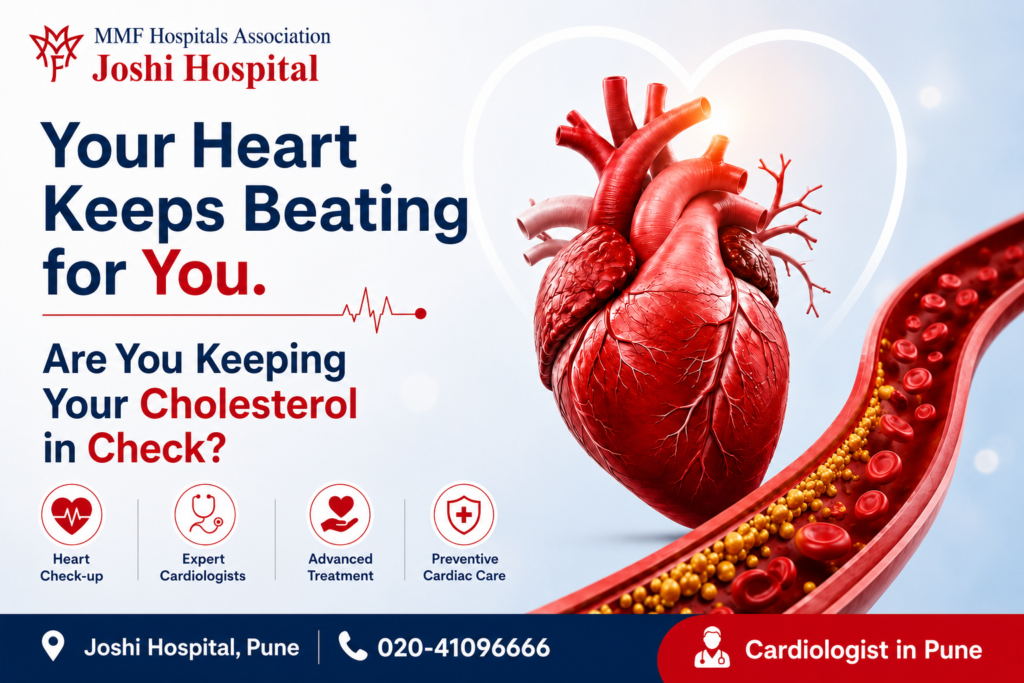
Your Heart Keeps Beating for You – Are You Keeping Your Cholesterol in Check?

Heart health starts with healthy cholesterol levels. High cholesterol is one of the leading risk factors for heart disease, yet it often has no warning signs. Many people discover they have high cholesterol only after experiencing chest pain, a heart attack, or undergoing routine health screening. At Joshi Hospital, our experienced cardiologists in Pune help patients detect, manage, and prevent cholesterol-related heart problems through advanced diagnostics and personalized cardiac care. If you have a family history of heart disease, diabetes, high blood pressure, obesity, or a sedentary lifestyle, regular cholesterol screening can help protect your heart and reduce the risk of serious cardiovascular complications. Lifestyle changes combined with timely medical treatment can significantly lower the risk of heart attack and stroke. What is Cholesterol? Cholesterol is a waxy substance found in your blood. Your body needs it to build healthy cells, but excessive cholesterol can lead to plaque buildup inside arteries (atherosclerosis). This reduces blood flow to the heart and increases the risk of heart attack and stroke. Types of Cholesterol LDL (Bad Cholesterol) Builds up inside arteries Increases the risk of coronary artery disease Can lead to heart attacks HDL (Good Cholesterol) Helps remove excess cholesterol Protects against heart disease Triglycerides High triglyceride levels, especially when combined with high LDL and low HDL, further increase cardiovascular risk. Why High Cholesterol is Dangerous High cholesterol usually develops silently without symptoms. Over time, fatty deposits narrow the arteries, making it harder for blood to reach the heart. This can result in: Coronary artery disease Heart attack Stroke Peripheral artery disease High blood pressure Routine cholesterol testing is one of the simplest ways to identify risk before symptoms appear. Common Risk Factors You are more likely to develop high cholesterol if you: Eat foods high in saturated or trans fats Are overweight or obese Have diabetes Smoke or use tobacco Do not exercise regularly Have uncontrolled high blood pressure Have a family history of heart disease Are over 40 years of age Warning Signs That Should Not Be Ignored Although high cholesterol itself rarely causes symptoms, seek medical evaluation if you experience: Chest pain Shortness of breath Fatigue during physical activity Pain in the arms, neck, jaw, or shoulders High blood pressure Previous heart attack or stroke Abnormal cholesterol levels on routine blood tests How to Keep Your Cholesterol Under Control Healthy lifestyle changes remain the foundation of cholesterol management. Eat a Heart-Healthy Diet Choose: Fresh fruits and vegetables Whole grains Oats Nuts Seeds Fish rich in Omega-3 fatty acids Healthy oils like olive oil Limit: Fried foods Processed snacks Red meat Sugary beverages Foods rich in saturated and trans fats Exercise Regularly Aim for at least 150 minutes of moderate physical activity each week to improve cholesterol levels and overall cardiovascular health. Maintain a Healthy Weight Even modest weight loss can improve cholesterol and reduce heart disease risk. Quit Smoking Smoking damages blood vessels and lowers protective HDL cholesterol. Control Diabetes and Blood Pressure Managing these conditions significantly lowers your overall cardiovascular risk. When Should You Get Your Cholesterol Checked? Regular lipid profile screening is recommended for: Adults over 20 years Individuals with diabetes Patients with hypertension Smokers People with obesity Those with a family history of heart disease Anyone with previous cardiac conditions Your cardiologist may recommend more frequent testing depending on your overall cardiovascular risk profile. Advanced Cardiac Care at Joshi Hospital At Joshi Hospital, we provide comprehensive cardiac care with advanced technology and experienced heart specialists. Our cardiology services include: Cardiac consultation Lipid profile evaluation ECG 2D Echocardiography TMT (Stress Test) Holter Monitoring Blood pressure monitoring Preventive heart check-ups Heart disease risk assessment Personalized cholesterol management Treatment for coronary artery disease Heart failure management Hypertension management Our goal is early detection, effective treatment, and long-term heart health. Why Choose Joshi Hospital? Experienced cardiologists in Pune Comprehensive heart care under one roof Modern diagnostic facilities Personalized treatment plans Preventive cardiology services Advanced cardiac investigations Patient-focused care Protect Your Heart Today Your heart works tirelessly every second of your life. Taking care of your cholesterol today can prevent serious heart problems tomorrow. Regular screenings, healthy lifestyle choices, and expert cardiac care can significantly reduce your risk of heart disease. If you are looking for an experienced cardiologist in Pune or a trusted cardiology hospital in Pune, visit Joshi Hospital for comprehensive heart evaluation and personalized treatment.

Your Heart Keeps Beating for You – Are You Keeping Your Cholesterol in Check? Read More »

Expert Cardiologist in Pune providing advanced cardiac care and cardiac surgery at Joshi Hospital.

Expert Cardiac Care You Can Trust – Advanced Cardiology & Cardiac Surgery Center in Pune

Heart disease is one of the leading causes of health concerns worldwide, making timely diagnosis and expert treatment more important than ever. Whether you’re experiencing chest pain, breathlessness, palpitations, or have been diagnosed with a heart condition, receiving care from an experienced Cardiologist in Pune can significantly improve your heart health and quality of life. At Joshi Hospital, we are committed to delivering comprehensive cardiac care with advanced technology, experienced specialists, and a patient-first approach. As a trusted Cardiac Surgery Center in Pune, we provide complete heart care—from preventive screenings to complex cardiac surgeries—all under one roof. Comprehensive Cardiac Care Under One Roof Heart diseases require specialized diagnosis and individualized treatment. Our cardiology team focuses on identifying the root cause of heart conditions and creating personalized treatment plans for every patient. Our cardiac services include: Preventive Heart Check-ups ECG (Electrocardiogram) 2D Echocardiography TMT (Stress Test) Holter Monitoring Hypertension & Cholesterol Management Heart Failure Management Arrhythmia Evaluation & Treatment Emergency Cardiac Care Interventional Cardiology Cardiac Rehabilitation Advanced Cardiac Surgery Center in Pune Some heart conditions require surgical intervention for the best possible outcome. At Joshi Hospital, our experienced cardiothoracic surgeons perform advanced procedures using modern surgical techniques and comprehensive peri-operative care. Our cardiac surgery services include: Coronary Artery Bypass Grafting (CABG) Heart Valve Repair & Replacement Surgery for Congenital Heart Defects Aortic Surgery Arrhythmia Surgery Minimally Invasive Cardiac Surgery (for selected patients) Conditions We Treat Our team of experienced cardiologists and cardiac surgeons manages a wide range of heart conditions, including: Coronary Artery Disease Heart Attack Heart Valve Disorders Congenital Heart Diseases Heart Rhythm Disorders (Arrhythmias) Heart Failure Cardiomyopathy Aortic Aneurysm Hypertension and High Cholesterol Why Choose Joshi Hospital? Experienced Cardiology Team Our highly qualified cardiologists and cardiothoracic surgeons work together to provide comprehensive heart care. Advanced Diagnostic Facilities Modern diagnostic equipment helps detect heart problems accurately and at an early stage. Personalized Treatment Plans Every patient receives individualized treatment based on their medical condition and overall health. Comprehensive Surgical Care From pre-operative evaluation to post-operative rehabilitation, our multidisciplinary team ensures seamless care. Patient-Centered Approach We believe in compassionate treatment, transparent communication, and continuous support throughout your healthcare journey. Warning Signs You Should Never Ignore Consult a Cardiologist in Pune immediately if you experience: Chest pain or pressure Shortness of breath Irregular heartbeat Dizziness or fainting Swelling in legs or ankles Unexplained fatigue Pain radiating to the arm, jaw, or back Early diagnosis can prevent serious complications and improve treatment outcomes. Expert Heart Care for Every Stage of Life Whether you need preventive heart screening, medical management, minimally invasive procedures, or complex heart surgery, Joshi Hospital’s Cardiology Department and Cardiac Surgery Center in Pune are dedicated to providing safe, evidence-based, and compassionate care. Your heart deserves expert attention. Don’t ignore the warning signs—early treatment can make all the difference. Book Your Appointment Today If you’re looking for an experienced Cardiologist in Pune or a trusted Cardiac Surgery Center in Pune, Joshi Hospital offers comprehensive heart care with advanced technology and a team of experienced specialists dedicated to your well-being. Cardiologist in Pune, Cardiac Surgery Center in Pune, Heart Specialist in Pune, Cardiology Hospital in Pune, Cardiac Care in Pune, Heart Surgery in Pune, Joshi Hospital Pune.

Expert Cardiac Care You Can Trust – Advanced Cardiology & Cardiac Surgery Center in Pune Read More »

Healthy heart tips by Joshi Hospital, trusted heart specialist hospital in Pune.

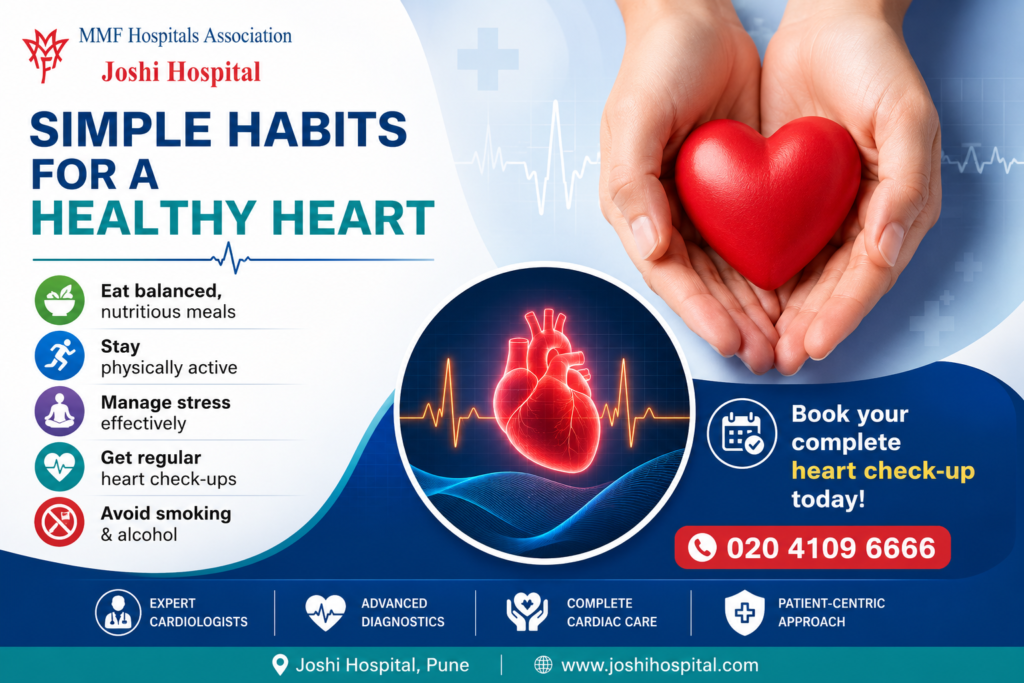
Simple Habits for a Healthy Heart – Expert Advice from Heart Specialists in Pune

Heart disease is one of the leading causes of illness worldwide, but the good news is that many heart problems can be prevented with simple lifestyle changes. Your heart works tirelessly every day, and taking care of it should be a priority. By adopting healthy habits and scheduling regular health check-ups, you can significantly reduce the risk of cardiovascular diseases. At Joshi Hospital, our experienced heart specialists in Pune provide comprehensive cardiac care, preventive screenings, accurate diagnosis, and advanced treatment for various heart conditions. Whether you’re looking for routine heart check-ups or specialized cardiac treatment, our expert team is committed to helping you maintain a healthy heart. 1. Eat a Balanced and Nutritious Diet Your diet has a direct impact on your heart health. Include foods that support healthy blood vessels and maintain normal cholesterol levels. Choose: Fresh fruits and vegetables Whole grains Lean proteins Nuts and seeds Healthy fats like olive oil Limit: Processed foods Sugary beverages Excess salt Saturated and trans fats A heart-friendly diet helps control blood pressure, cholesterol, and weight. 2. Stay Physically Active Regular physical activity strengthens the heart muscle and improves circulation. Aim for: At least 30 minutes of moderate exercise five days a week Walking Cycling Swimming Yoga Exercise also helps manage diabetes, obesity, and hypertension, which are major risk factors for heart disease. 3. Manage Stress Effectively Chronic stress can contribute to high blood pressure and increase the risk of heart problems. Healthy ways to reduce stress include: Meditation Deep breathing exercises Spending time with family Reading Listening to music Maintaining a healthy work-life balance Taking care of your mental well-being is equally important for maintaining a healthy heart. 4. Get Regular Heart Check-ups Preventive screenings help detect heart disease before symptoms become severe. Routine heart check-ups may include: Blood pressure monitoring Cholesterol testing Blood sugar evaluation ECG Echocardiography Stress Test (TMT) Early diagnosis allows timely treatment and better long-term outcomes. 5. Avoid Smoking and Excessive Alcohol Smoking damages blood vessels and significantly increases the risk of heart attacks and strokes. Excessive alcohol consumption may also contribute to high blood pressure and irregular heart rhythms. Quitting smoking and limiting alcohol intake are among the most effective steps you can take for better heart health. Warning Signs You Should Never Ignore Consult a heart specialist in Pune immediately if you experience: Chest pain or pressure Shortness of breath Palpitations Dizziness or fainting Swelling in the legs Unexplained fatigue Early medical attention can save lives. Why Choose Joshi Hospital for Cardiac Care? Joshi Hospital is a trusted heart specialist hospital in Pune, offering comprehensive cardiovascular services under one roof. Our cardiac care includes: Preventive Heart Check-up Packages ECG & 2D Echocardiography Treadmill Stress Test (TMT) Hypertension Management Cholesterol Management Heart Disease Diagnosis Emergency Cardiac Care Personalized Treatment Plans With experienced cardiologists, advanced diagnostic facilities, and patient-centered care, we help patients achieve better heart health at every stage of life. Conclusion Maintaining a healthy heart doesn’t require drastic changes. Small daily habits like eating nutritious food, exercising regularly, managing stress, avoiding smoking, and getting routine heart check-ups can greatly reduce your risk of heart disease. If you’re looking for an experienced heart specialist in Pune or a reliable heart specialist hospital in Pune, Joshi Hospital is here to provide expert cardiac care with compassion and excellence. Book your complete heart check-up today and take the first step toward a healthier future.

Simple Habits for a Healthy Heart – Expert Advice from Heart Specialists in Pune Read More »

ECG Test in Pune at Joshi Hospital

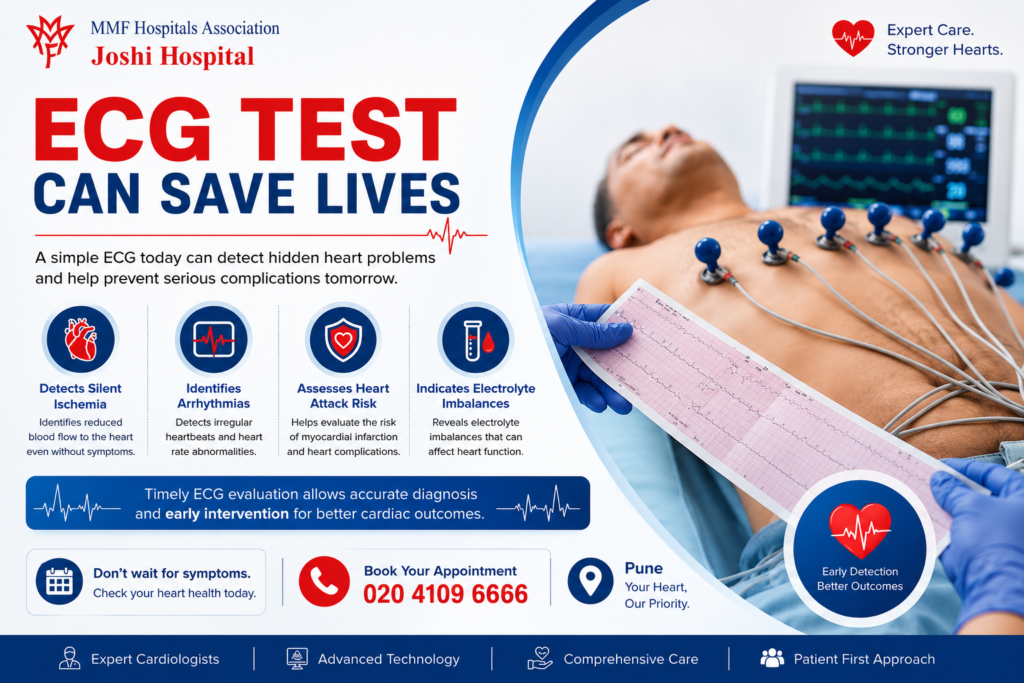
ECG Test Can Save Lives: Why Timely Heart Screening Matters

Heart disease remains one of the leading causes of health complications worldwide. Many heart conditions develop silently, showing little or no warning signs until they become serious. An Electrocardiogram (ECG) is a simple, painless, and highly effective test that can help detect heart problems early, allowing timely treatment and better outcomes. If you are looking for a trusted Cardiologist in Pune or a Heart Specialist in Pune, understanding the importance of regular ECG screening can help protect your heart health. What is an ECG Test? An ECG (Electrocardiogram) is a diagnostic test that records the electrical activity of your heart. It helps doctors evaluate your heart’s rhythm, rate, and overall functioning within a few minutes. The test is non-invasive, quick, and widely used to diagnose various heart conditions before they become life-threatening. Why is ECG Screening Essential? 1. Detects Silent Ischemia and Reduced Blood Flow Some individuals may experience reduced blood supply to the heart without noticeable symptoms. An ECG can help identify these hidden abnormalities, allowing early medical intervention. 2. Identifies Arrhythmias and Heart Rate Abnormalities Irregular heartbeats, also known as arrhythmias, may increase the risk of stroke, heart failure, or sudden cardiac arrest. ECG screening helps detect these rhythm disturbances promptly. 3. Helps Assess the Risk of Heart Attack Changes in ECG patterns can indicate previous or ongoing heart muscle damage. Early identification allows doctors to evaluate the risk of myocardial infarction (heart attack) and recommend appropriate treatment. 4. Indicates Electrolyte Imbalances Electrolytes such as potassium, calcium, and magnesium play a crucial role in heart function. ECG findings can reveal imbalances that may affect cardiac health. Who Should Consider an ECG Test? You may benefit from an ECG if you experience: Chest pain or discomfort Palpitations or irregular heartbeat Shortness of breath Dizziness or fainting episodes High blood pressure Diabetes Family history of heart disease High cholesterol levels Regular ECG screening is also recommended for individuals above 40 years of age and those with cardiovascular risk factors. Benefits of Early Heart Screening Early ECG evaluation can: ✔ Detect heart conditions before symptoms appear✔ Support accurate diagnosis✔ Guide timely treatment decisions✔ Reduce the risk of serious complications✔ Improve long-term heart health outcomes When Should You Visit a Heart Specialist? Do not ignore symptoms such as chest pain, unexplained fatigue, breathlessness, or frequent palpitations. Consulting an experienced Heart Specialist in Pune can help identify underlying cardiac issues and prevent future complications. Protect Your Heart with Timely ECG Screening An ECG is one of the simplest yet most valuable tools for monitoring heart health. Early detection can make a significant difference in preventing serious cardiac events and improving quality of life. If you are searching for an experienced Cardiologist in Pune, schedule a heart health evaluation today. Timely ECG screening can help detect potential problems early and keep your heart functioning at its best. Book Your Appointment Today Prioritize your heart health with expert cardiac care, comprehensive evaluation, and timely diagnosis for a healthier future. Joshi Hospital Cardiology Department, Pune is a trusted destination for comprehensive heart care, offering expert diagnosis, treatment, and preventive cardiology services. Backed by experienced cardiologists and advanced diagnostic technology, the department provides personalized care for conditions such as heart attack, coronary artery disease, hypertension, heart failure, arrhythmias, and valve disorders. Equipped with modern facilities including ECG, 2D Echo, TMT, Holter monitoring, and cardiac risk assessment, Joshi Hospital ensures accurate diagnosis and timely treatment. With 24×7 emergency cardiac care, patient-focused services, and a commitment to clinical excellence, Joshi Hospital is dedicated to helping patients achieve better heart health through compassionate, evidence-based care.

ECG Test Can Save Lives: Why Timely Heart Screening Matters Read More »

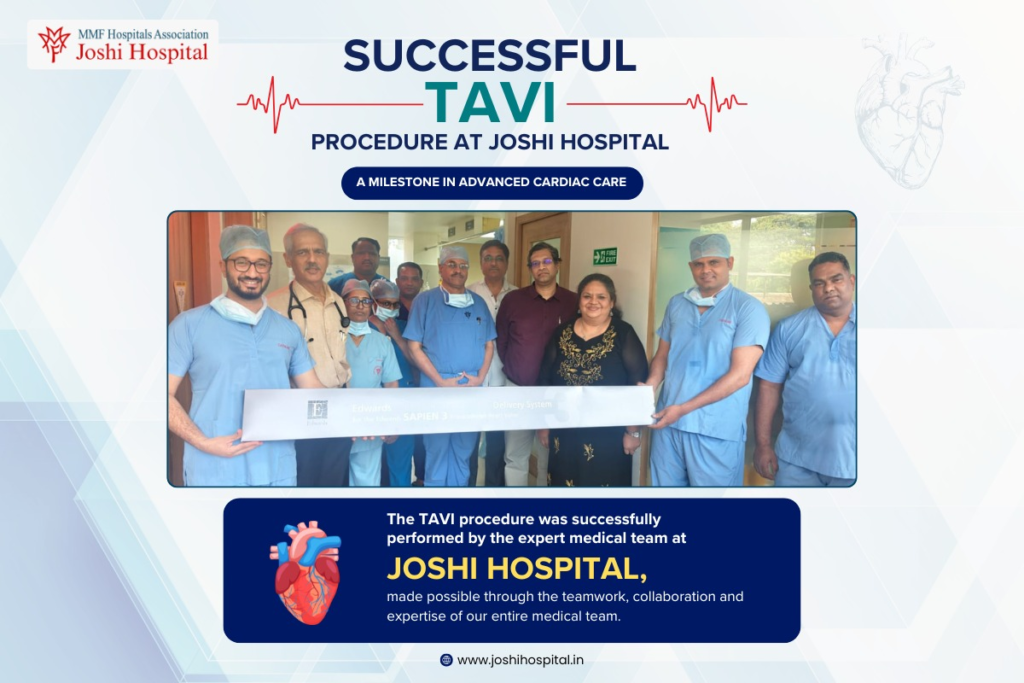
Successful TAVI Procedure - Cardiology in Pune

Successful TAVI Procedure at Joshi Hospital: A Milestone in Advanced Cardiac Care

Celebrating a Breakthrough in Cardiology in Pune A significant milestone in advanced heart care has been achieved at Joshi Hospital, Pune, with the successful completion of a TAVI (Transcatheter Aortic Valve Implantation) procedure. This achievement highlights the hospital’s commitment to delivering cutting-edge cardiology services in Pune and improving outcomes for patients with complex heart valve conditions. With a dedicated team of experienced cardiologists and advanced medical infrastructure, Joshi Hospital continues to strengthen its reputation as a trusted destination for comprehensive cardiac care. What is a TAVI Procedure? Transcatheter Aortic Valve Implantation (TAVI) is a minimally invasive heart procedure used to treat aortic valve stenosis, a condition where the heart valve becomes narrow and restricts blood flow. Unlike traditional open-heart surgery, TAVI allows doctors to replace the damaged valve using a catheter inserted through a small incision, typically in the leg. Key Benefits of TAVI: Minimally invasive procedure Reduced recovery time Lower surgical risk for elderly or high-risk patients Shorter hospital stay Improved quality of life This modern cardiac intervention has revolutionized the treatment of severe valve disease and is increasingly preferred for suitable patients. A Proud Achievement in Cardiology at Joshi Hospital The successful TAVI procedure performed at Joshi Hospital represents a major advancement in cardiac treatment capabilities in Pune. The accomplishment was made possible through: Skilled cardiologists and cardiac surgeons State-of-the-art cardiac catheterization facilities Collaborative teamwork across departments Advanced patient monitoring systems The hospital’s cardiology department offers a wide spectrum of services, including preventive care, early diagnosis, and advanced treatment for heart conditions. Comprehensive Cardiology Services in Pune The cardiology department at Joshi Hospital is supported by experienced specialists and modern diagnostic tools. Patients receive personalized treatment plans designed to deliver optimal results. Cardiology Services Include: Cardiac health checkups Echocardiography Angiography & Angioplasty Pacemaker implantation Valve replacement procedures Heart failure management Preventive cardiology The hospital’s team of cardiologists focuses on delivering patient-centered care using innovative treatment techniques and advanced technology. Who Needs a TAVI Procedure? TAVI is recommended for patients diagnosed with severe aortic stenosis, especially those who: Are elderly patients Have high surgical risk Cannot undergo open-heart surgery Experience symptoms such as: Chest pain Breathlessness Fatigue Fainting episodes Early diagnosis and timely intervention can significantly improve patient outcomes. Why Choose Joshi Hospital for Cardiology in Pune? Patients seeking advanced cardiac care in Pune trust Joshi Hospital for its expertise, technology, and compassionate approach. Highlights of Cardiology Care: Experienced cardiology specialists Advanced cardiac intervention facilities Multidisciplinary medical team Patient-centered treatment approach Proven track record of successful procedures Established with a vision to provide quality healthcare, the hospital has been serving the community for decades with reliable medical services and specialized treatment options. Advancing the Future of Heart Care The successful TAVI procedure is more than just a medical milestone—it represents hope for patients suffering from complex heart valve diseases. By continuously adopting advanced cardiac technologies and improving treatment standards, Joshi Hospital reinforces its mission to deliver world-class cardiology care in Pune. Conclusion The successful completion of the TAVI procedure at Joshi Hospital marks a remarkable achievement in modern cardiology. With advanced technology, expert doctors, and a patient-first approach, the hospital continues to set new benchmarks in heart care. If you or your loved ones are experiencing symptoms related to heart valve disease or require expert cardiac consultation, choosing a trusted cardiology center can make all the difference.

Successful TAVI Procedure at Joshi Hospital: A Milestone in Advanced Cardiac Care Read More »

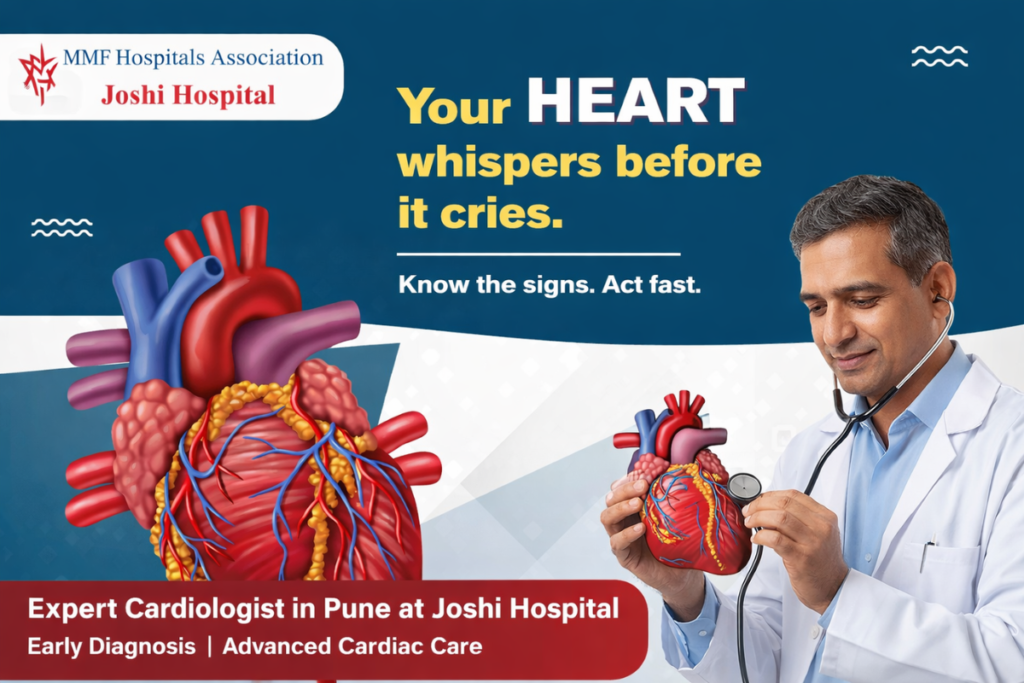
Cardiologist in Pune at Joshi Hospital demonstrating heart anatomy

Your Heart Whispers Before It Cries: Know the Early Warning Signs of Heart Disease

Heart problems rarely happen without warning. In many cases, the heart gives subtle signals long before a major cardiac event occurs. Recognizing these early signs can help you seek timely treatment and prevent serious complications. At Joshi Hospital, experienced cardiologists focus on early diagnosis, preventive care, and advanced cardiac treatment to protect your heart health. Why Listening to Your Heart Matters Heart disease remains one of the leading causes of health complications worldwide. Many people ignore mild symptoms, assuming they are due to stress, fatigue, or indigestion. However, these “whispers” from your heart may indicate an underlying problem. The cardiology department at Joshi Hospital provides specialized care using modern diagnostics and expert evaluation to detect heart conditions early and offer effective treatment plans. Early Warning Signs Your Heart May Be Giving Recognizing symptoms early can save lives. Watch out for these common signs: 1. Chest Discomfort or Pressure A feeling of tightness, heaviness, or squeezing in the chest is one of the most common early symptoms of heart disease. 2. Shortness of Breath Difficulty breathing during mild activity or at rest may indicate reduced heart function. 3. Fatigue or Weakness Unusual tiredness without a clear reason could be a sign that your heart is not pumping efficiently. 4. Pain in Arm, Neck, or Jaw Heart-related pain often spreads beyond the chest to other areas of the body. 5. Dizziness or Lightheadedness Frequent dizziness may signal reduced blood flow to the brain. 6. Irregular Heartbeat Palpitations or a racing heart should never be ignored. If you notice any of these symptoms, consult a cardiologist immediately. Common Risk Factors for Heart Disease Understanding your risk level helps in prevention. Major risk factors include: High blood pressure Diabetes High cholesterol Smoking Obesity Sedentary lifestyle Family history of heart disease Chronic stress Managing these factors significantly reduces your chances of developing heart problems. When Should You Visit a Cardiologist? You should consult a cardiologist if you: Experience chest pain or discomfort Have high blood pressure or diabetes Feel frequent fatigue or breathlessness Have a family history of heart disease Are above 40 and have never had a heart check-up Regular cardiac check-ups help detect problems before they become life-threatening. Advanced Cardiac Care at Joshi Hospital, Pune Joshi Hospital offers comprehensive cardiac services delivered by experienced specialists. Cardiology Services Include: ECG (Electrocardiogram) 2D Echo Treadmill Test (TMT) Heart disease screening Preventive cardiology Cardiac risk assessment Advanced cardiac procedures The hospital features specialized cardiologists such as Dr. Nitin Patki, Dr. Amit Sinkar, and other experienced heart specialists dedicated to providing patient-focused cardiac care. Tips to Keep Your Heart Healthy ❤️ Preventive care plays a major role in maintaining heart health. Follow These Simple Steps: ✔ Eat a balanced, heart-friendly diet✔ Exercise for at least 30 minutes daily✔ Avoid smoking and alcohol✔ Maintain a healthy weight✔ Manage stress effectively✔ Get regular health check-ups Small lifestyle changes can make a big difference in protecting your heart. Act Fast — Early Treatment Saves Lives Remember, your heart rarely fails without warning. The earlier you identify symptoms and seek medical advice, the better your chances of preventing severe complications. If you notice any unusual symptoms, don’t delay medical care. Consult an experienced Cardiologist in Pune at Joshi Hospital for expert evaluation and personalized treatment. Conclusion Your heart speaks before it cries — you just need to listen. Early detection, timely consultation, and preventive care are the keys to maintaining lifelong heart health. With experienced cardiologists and advanced diagnostic services, Joshi Hospital provides reliable and compassionate cardiac care to help you stay healthy and active.

Your Heart Whispers Before It Cries: Know the Early Warning Signs of Heart Disease Read More »

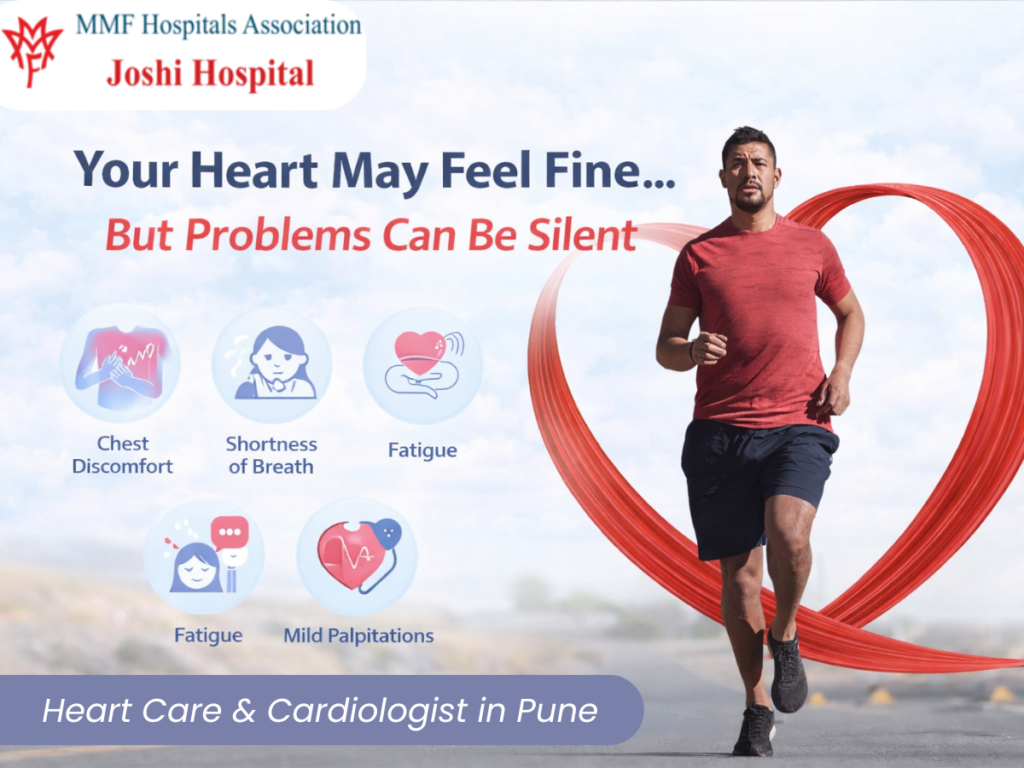
Heart Specialist in Pune

Your Heart May Feel Fine… But Problems Can Be Silent

Many people believe that if they feel fine, their heart is healthy. However, heart disease often develops silently without noticeable symptoms until it becomes severe. The message is simple but powerful: your heart may feel fine, but underlying problems can still exist. At Joshi Hospital, Pune, our expert cardiologists emphasize early detection and preventive care to protect your heart health. Why Heart Problems Can Go Unnoticed Heart disease does not always present obvious symptoms in its early stages. Conditions like blocked arteries, high blood pressure, and cholesterol buildup can progress quietly over time. You may feel completely normal while your heart is under stress. Common Silent Heart Conditions Some heart problems that often show no early symptoms include: Coronary artery disease (CAD) High blood pressure (Hypertension) High cholesterol levels Early-stage heart failure These conditions can slowly damage your heart without warning signs. Subtle Signs You Shouldn’t Ignore Even when symptoms are mild, they can indicate underlying heart issues: Slight chest discomfort during activity Shortness of breath while walking or climbing stairs Fatigue without a clear reason Occasional dizziness Mild palpitations Ignoring these signs can increase the risk of serious complications like heart attack. Who is at Higher Risk? You may be at higher risk of silent heart disease if you have: Diabetes High blood pressure Smoking habits Obesity Sedentary lifestyle Family history of heart disease Importance of Regular Heart Check-ups Routine health check-ups can detect problems before symptoms appear. At Joshi Hospital, we recommend: ECG and 2D Echo Stress tests Blood pressure monitoring Cholesterol screening Early diagnosis leads to better treatment outcomes. How to Keep Your Heart Healthy Simple lifestyle changes can significantly reduce your risk: Exercise regularly (like walking or jogging) Eat a heart-healthy diet Manage stress Quit smoking Maintain a healthy weight Monitor BP and sugar levels Expert Cardiac Care at Joshi Hospital, Pune Joshi Hospital offers advanced cardiology services including: Preventive heart screenings Diagnosis and management of heart conditions Personalized treatment plans Emergency cardiac care Our experienced cardiologists in Pune are committed to helping you lead a healthier life. Conclusion Feeling fine doesn’t always mean your heart is healthy. Silent heart conditions can develop without warning, making regular check-ups essential. Don’t wait for symptoms to appear. Take proactive steps today—visit Joshi Hospital, Pune and consult an expert cardiologist for a complete heart evaluation.

Your Heart May Feel Fine… But Problems Can Be Silent Read More »