Joshi Hospital

Tag: Heart Treatment in Pune

Heart Treatment in Pune

Young adult discussing heart health and heart attack risk factors with a doctor at Joshi Hospital, Pune

Why Are Heart Attacks Increasing in Younger Adults?

Heart attacks are often thought of as a health concern affecting older people. However, there is growing concern about cardiovascular events occurring in younger adults. Recent research and public-health discussions have highlighted the importance of identifying heart disease risk factors earlier in life and taking preventive steps before serious problems develop. At Joshi Hospital, Pune, we believe that awareness, early risk assessment and timely medical attention can play an important role in protecting Heart Health. A heart attack can occur when blood flow to part of the heart muscle becomes severely reduced or blocked, and the underlying causes and risk factors can vary from person to person. Why Is Heart Disease Becoming a Concern at a Younger Age? There is no single reason behind heart attacks in younger adults. Instead, several lifestyle, metabolic, genetic and environmental factors may contribute to cardiovascular risk. Some young adults may already have conditions such as High Blood Pressure, High Cholesterol, diabetes or obesity without knowing it. The American Heart Association has also highlighted that many people may enter adulthood with cardiovascular risk factors already present, making prevention and early attention especially important. 1. Sedentary Lifestyle and Lack of Physical Activity Modern routines often involve long hours of sitting, screen-based work and limited physical activity. Over time, physical inactivity can contribute to other risk factors, including excess weight, unhealthy cholesterol levels, high blood pressure and problems with blood sugar regulation. Regular movement and an active lifestyle are important parts of maintaining Heart Health at every age. 2. Unhealthy Eating Habits Frequent consumption of highly processed foods, foods high in saturated fat, excess sodium and added sugars may contribute to cardiovascular risk over time. An unhealthy eating pattern can be associated with obesity, high cholesterol and other conditions that affect the heart and blood vessels. Making healthier food choices does not necessarily mean following extreme diets. A balanced approach that includes appropriate portions of vegetables, fruits, whole grains and other nutritious foods can support overall health. 3. Stress and Poor Sleep Busy work schedules, irregular routines and ongoing stress can affect healthy lifestyle habits. Long or irregular working hours, inadequate sleep and prolonged stress are among factors that may influence cardiovascular health. Stress may also indirectly increase risk when it contributes to unhealthy eating, smoking or reduced physical activity. Prioritising adequate sleep, relaxation and regular physical activity can be meaningful components of a Healthy Lifestyle. 4. Smoking and Tobacco Use Smoking is a well-established risk factor for heart disease and heart attack. Tobacco exposure can damage blood vessels and contribute to processes that increase cardiovascular risk. Avoiding smoking and seeking professional support to quit can be an important step towards better Cardiac Health. 5. Rising Rates of Metabolic Risk Factors Conditions such as Diabetes, high blood pressure, high cholesterol, overweight and obesity can develop earlier in life. These factors may not always cause obvious symptoms, which is why regular health check-ups can be valuable, particularly for people with multiple risk factors. At Joshi Hospital, Pune, appropriate medical evaluation can help individuals understand their personal health risks and discuss suitable preventive steps with a qualified healthcare professional. 6. Family History and Genetics Lifestyle is important, but it is not the only factor. A family history of early heart disease can increase an individual’s risk. Genetic factors may also contribute to the development of coronary heart disease. If close family members have experienced heart disease at a relatively young age, discussing this history during a Heart Check-up may help your doctor assess your overall cardiovascular risk. 7. Ignoring Early Warning Signs Young adults may sometimes assume that chest discomfort, breathlessness, unusual fatigue or other symptoms cannot be related to the heart because of their age. However, heart attack symptoms can vary and may be mild, gradual or different from one person to another. Possible symptoms can include chest discomfort, pain spreading to the arm, back, neck or jaw, shortness of breath, sweating, nausea, dizziness or unusual tiredness. Women may sometimes experience symptoms differently, including nausea, unusual fatigue, dizziness or pressure or tightness in the chest. Can Younger Adults Reduce Their Risk of Heart Disease? Although some risk factors, such as age and family history, cannot be changed, many important risk factors can be addressed. Positive steps may include: Staying physically active regularly Choosing a balanced and heart-conscious diet Maintaining a healthy weight Avoiding smoking and tobacco Managing Blood Pressure, blood sugar and cholesterol Getting adequate quality sleep Managing stress in healthy ways Scheduling appropriate Preventive Health Check-ups Discussing a family history of early heart disease with a healthcare professional These measures cannot guarantee that a heart attack will never occur, but managing modifiable risk factors can help support better cardiovascular health. When Should You Seek Medical Attention? Do not ignore potentially serious symptoms such as persistent or severe chest discomfort, unexplained shortness of breath, pain or discomfort spreading to the arm, shoulder, back, neck or jaw, sudden sweating, dizziness or other concerning symptoms. Heart attack symptoms can differ between individuals. Prompt medical assessment is important when a heart attack is suspected. In Joshi Hospital, our Heart Specialist in Pune encourages individuals of all ages to take changes in their health seriously and seek appropriate professional medical care rather than relying on self-diagnosis. Take Your Heart Health Seriously—At Every Age Being young does not automatically mean being free from cardiovascular risk. Today’s lifestyle patterns, combined with conditions such as high blood pressure, diabetes, high cholesterol, obesity, smoking and family history, can influence heart health over time. Recent research has reinforced concerns about cardiovascular events and heart attack outcomes in younger adults, highlighting the value of prevention and earlier risk assessment. A proactive approach to Heart Health, healthy daily habits and timely Cardiac Evaluation may help identify risk factors earlier. If you have concerns about your heart health or have multiple risk factors, consult a qualified healthcare professional for personalised advice and appropriate evaluation. Medical Disclaimer: This article is for general awareness only and does not replace professional medical

Why Are Heart Attacks Increasing in Younger Adults? Read More »
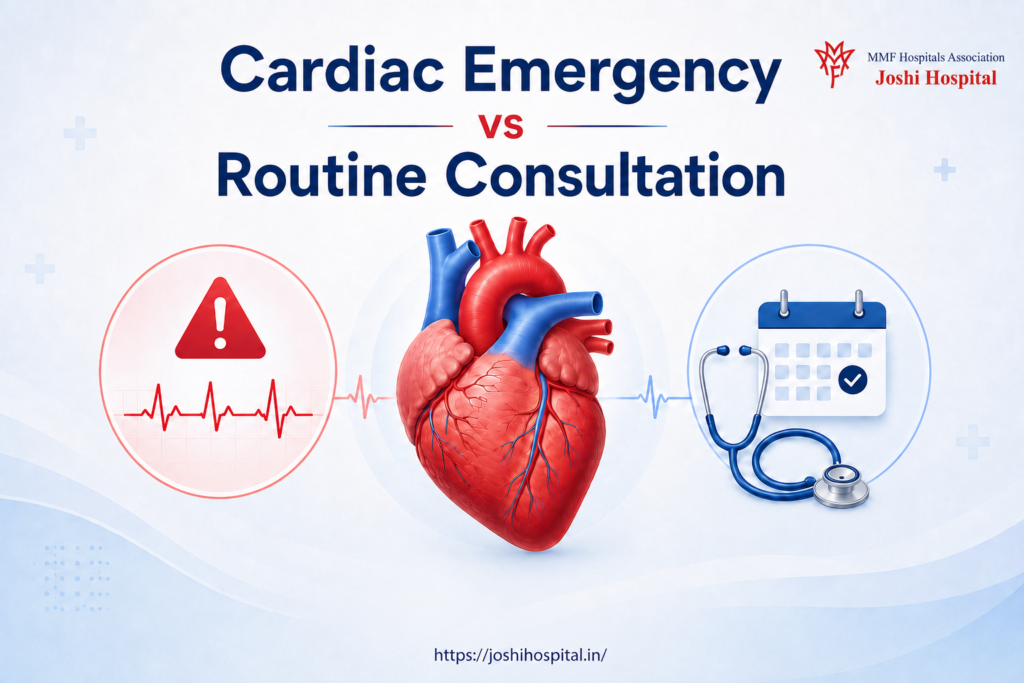
Cardiac emergency vs routine consultation at Joshi Hospital Pune

Cardiac Emergency vs Routine Consultation: When Should You Visit a Heart Specialist?

Heart-related symptoms can range from mild and temporary discomfort to signs of a serious cardiac emergency. Knowing the difference between symptoms that require immediate medical attention and those that can be evaluated during a routine consultation can help you make timely decisions about your heart health. At Joshi Hospital, patients can seek medical evaluation for a wide range of heart-related concerns. Whether you are experiencing a sudden symptom or want to understand an ongoing concern, consulting a qualified Heart Specialist in Pune can help determine the appropriate next step. What Is a Cardiac Emergency? A cardiac emergency is a situation where symptoms may indicate a serious problem involving the heart or blood circulation and require urgent medical assessment. Some heart conditions can become serious quickly, so delaying medical care when warning signs are present may be risky. Common symptoms that may require urgent evaluation include: Sudden or severe chest pain, pressure, tightness, or discomfort Chest discomfort spreading toward the arm, shoulder, back, neck, or jaw Severe or unexplained shortness of breath Fainting or sudden loss of consciousness Sudden, severe weakness or unusual sweating accompanied by chest discomfort A rapid or irregular heartbeat associated with dizziness, chest discomfort, or breathlessness Sudden symptoms occurring with a known history of heart disease Not every person experiences a heart problem in the same way. Some people, particularly older adults and individuals with certain medical conditions, may have less typical symptoms. If symptoms are severe, sudden, or rapidly worsening, seek emergency medical care rather than waiting for a routine appointment. When Should You Seek Emergency Cardiac Care? Chest pain is one of the symptoms that should not be ignored, especially when it is sudden, intense, persistent, or accompanied by breathlessness, sweating, nausea, dizziness, or discomfort spreading to other parts of the body. Similarly, sudden difficulty breathing, fainting, or a significant change in heartbeat may require immediate evaluation. It is important not to try to diagnose the cause of these symptoms yourself. Chest discomfort can have many possible causes, including heart, lung, digestive, muscular, or other conditions. A healthcare professional can assess the symptoms and determine whether further cardiac evaluation is necessary. When a symptom appears suddenly and feels significantly different from anything experienced before, it is generally safer to seek prompt medical attention. What Is a Routine Cardiology Consultation? A routine consultation is appropriate when you have a non-urgent concern that needs professional evaluation but there are no signs of an immediate emergency. You may consider scheduling a consultation if you experience: Occasional palpitations without severe associated symptoms Repeated mild chest discomfort that is not sudden or severe Breathlessness during routine activities that has developed gradually High blood pressure requiring monitoring High cholesterol or other cardiovascular risk factors A family history of heart disease Follow-up after previous cardiac investigations or treatment Questions about heart health, lifestyle, or cardiovascular risk Abnormal findings from a previous health check-up A routine appointment allows the doctor to understand your symptoms, medical history, lifestyle, medications, and risk factors. Depending on your individual situation, the cardiologist may recommend appropriate examinations or investigations. Why Should You Not Ignore Recurring Heart Symptoms? Symptoms that appear occasionally may seem harmless, but recurring symptoms deserve attention. For example, repeated palpitations, breathlessness, or chest discomfort may have several possible causes and should be evaluated when they continue or interfere with daily activities. Early medical assessment can help identify potential cardiovascular risk factors and guide appropriate management. It can also help distinguish heart-related symptoms from conditions that may have a different underlying cause. If you are looking for information about heart disease treatment in Pune, discussing your concerns with a qualified cardiac specialist can help you understand what evaluation may be appropriate for your situation. Cardiac Emergency vs Routine Consultation: A Simple Guide The key difference is the severity, suddenness, and associated symptoms. Emergency evaluation may be needed when: Symptoms are sudden or severe. Chest pressure or pain is persistent or worsening. Chest discomfort occurs with breathlessness, sweating, dizziness, nausea, or fainting. Symptoms spread to the arm, jaw, neck, shoulder, or back. There is sudden severe difficulty breathing or loss of consciousness. A routine consultation may be suitable when: Symptoms are mild, occasional, or longstanding without sudden worsening. You want a cardiovascular risk assessment. You have known risk factors such as high blood pressure or high cholesterol. You need follow-up for previously identified heart-related concerns. You want professional advice about maintaining cardiovascular health. This distinction is only a general guide. The appropriate course of action depends on the individual and the symptoms involved. What Happens During a Cardiology Consultation? During a consultation, the cardiologist generally begins by discussing your symptoms and medical history. The doctor may ask when the symptoms started, how frequently they occur, what triggers them, and whether they are associated with physical activity or other symptoms. A physical examination may be followed by investigations when clinically appropriate. Depending on the symptoms and medical history, the doctor may recommend tests such as an electrocardiogram (ECG), blood tests, echocardiography, or other cardiac investigations. The purpose of these evaluations is to understand the possible cause of symptoms and determine an appropriate management plan. Patients searching for a Heart Specialist hospital in Pune should consider factors such as the availability of qualified specialists, appropriate diagnostic facilities, emergency support, and coordinated patient care. How Can You Support Your Heart Health? Heart health is influenced by several factors. Regular physical activity, a balanced diet, adequate sleep, avoiding tobacco, maintaining a healthy weight, and managing conditions such as high blood pressure and high cholesterol can contribute to cardiovascular health. Regular health check-ups can also be useful, particularly for people with known cardiovascular risk factors or a family history of heart disease. However, healthy lifestyle habits do not replace medical attention when concerning symptoms occur. Choose the Right Care at the Right Time Knowing when to seek emergency care and when to schedule a routine consultation can help you respond appropriately to heart-related symptoms. Sudden or severe symptoms should never be ignored,

Cardiac Emergency vs Routine Consultation: When Should You Visit a Heart Specialist? Read More »

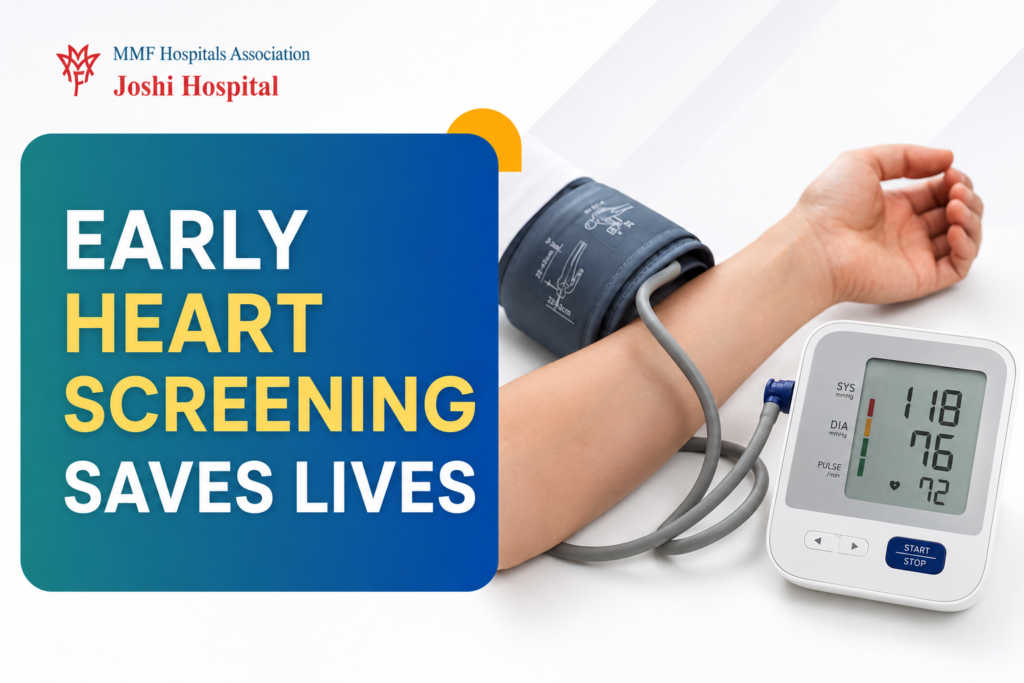
Early heart screening with blood pressure monitoring at Joshi Hospital, Heart Specialist Hospital in Pune

Early Heart Screening Saves Lives: Why Regular Heart Checkups Matter

Heart disease does not always begin with obvious chest pain or severe breathlessness. In many people, risk factors such as high blood pressure, elevated cholesterol and diabetes develop quietly for years. A person may feel completely healthy while these conditions gradually affect the heart and blood vessels. This is why early heart screening is important. A timely evaluation by a Heart specialist in Pune can help identify hidden risk factors, estimate the likelihood of future heart problems and guide preventive action before complications develop. Why Heart Problems Can Go Unnoticed Some cardiovascular conditions remain silent during their early stages. High blood pressure, for example, usually does not produce noticeable symptoms. Similarly, elevated cholesterol and blood glucose can only be identified reliably through appropriate testing. The World Health Organization explains that raised blood pressure, blood glucose and blood lipids are important measurable cardiovascular risk factors. Early detection allows doctors to recommend counselling, lifestyle changes or medical treatment when necessary. Heart screening is not only meant for people who already have symptoms. It is also a preventive step for individuals who want to understand and manage their cardiovascular risk. What Is an Early Heart Screening? An early heart screening is a medical assessment designed to evaluate the health of your heart and identify factors that may increase the possibility of heart disease, heart attack or stroke. Depending on your age, symptoms, medical history and overall risk, a doctor may recommend: Blood pressure measurement Cholesterol or lipid profile Blood glucose or HbA1c testing Weight, body mass index and waist measurement Electrocardiogram, commonly known as an ECG Echocardiography or stress testing when clinically required Assessment of diet, exercise, smoking, sleep and stress Review of personal and family history Not every person requires every cardiac test. A consultation with a Heart specialist in Pune helps determine which investigations are appropriate instead of undergoing unnecessary testing. Why Early Heart Screening Matters It Detects Silent Risk Factors High blood pressure and high cholesterol may not cause early warning signs. Screening helps identify these problems before they contribute to significant blood vessel or heart damage. The American Heart Association identifies blood pressure, cholesterol, blood glucose, body weight and lifestyle habits as key areas of cardiovascular screening. It Supports Timely Treatment Finding a risk factor does not automatically mean that heart disease is inevitable. It provides an opportunity to act early. Depending on the findings, the doctor may recommend dietary changes, regular physical activity, better sleep, stress management or medication. Early treatment may help control blood pressure, cholesterol and diabetes more effectively and reduce the risk of future complications. It Creates a Personal Heart Health Plan Cardiovascular risk differs from one person to another. Age, family history, lifestyle, existing medical conditions and test results all influence the overall risk. A specialist can combine these details to create an individual prevention or treatment plan. This is more useful than relying on one test result or a general health package. Who Should Consider a Heart Checkup? Regular heart screening becomes especially important if you: Have high blood pressure, diabetes or high cholesterol Smoke or use tobacco Are overweight or physically inactive Have a family history of early heart disease or stroke Experience frequent stress or inadequate sleep Have an unhealthy diet or excessive alcohol consumption Are entering middle age without having undergone a recent health assessment Previously had a heart attack, stroke or another cardiovascular condition Even younger adults may need assessment when multiple risk factors or a strong family history are present. The frequency and type of screening should be decided with a qualified doctor. Warning Signs That Need Immediate Medical Attention Preventive screening is different from emergency care. Do not wait for a routine appointment if you experience: Chest pressure, pain, tightness or heaviness Sudden breathlessness Pain spreading to the arm, shoulder, back, neck or jaw Unexplained sweating, nausea or dizziness Sudden weakness, fainting or severe fatigue A fast, irregular or unusually slow heartbeat accompanied by discomfort These symptoms require prompt medical evaluation. Heart-related symptoms can vary, and some people may experience less typical warning signs. Seeking timely care is safer than trying to diagnose the problem at home. What Happens After a Heart Screening? Once the evaluation is complete, the doctor reviews the findings alongside your symptoms and medical history. Normal results may provide a useful baseline for future comparisons. If a concern is identified, additional testing or closer monitoring may be advised. Possible recommendations can include: Reducing salt, processed food and unhealthy fats Eating more vegetables, fruits, whole grains and appropriate protein sources Becoming physically active according to medical advice Stopping smoking and other forms of tobacco Managing blood pressure, cholesterol and blood sugar Taking prescribed medicines consistently Attending scheduled follow-up consultations The goal is not simply to complete a set of tests. It is to understand the results and use them to protect long-term cardiovascular health. Can a Healthy Lifestyle Replace Heart Screening? A healthy lifestyle is essential, but it does not replace medical screening. Someone who exercises regularly and maintains a healthy weight may still have high cholesterol, hypertension, diabetes or an inherited cardiovascular risk. At the same time, screening cannot replace healthy daily habits. The most effective preventive approach combines appropriate medical assessment with sustainable lifestyle changes. Consult a Heart Specialist at Joshi Hospital Early action can make a meaningful difference in heart health. If you have cardiovascular risk factors, a family history of heart disease or symptoms that concern you, consider seeking medical guidance at Joshi Hospital. Consulting a specialist at a Heart Specialist Hospital in Pune can help you understand your risk, undergo appropriate investigations and receive a personalised care plan. A timely heart checkup today may help prevent serious complications in the future. This article is intended for general awareness and should not replace consultation, diagnosis or treatment from a qualified medical professional.

Early Heart Screening Saves Lives: Why Regular Heart Checkups Matter Read More »