
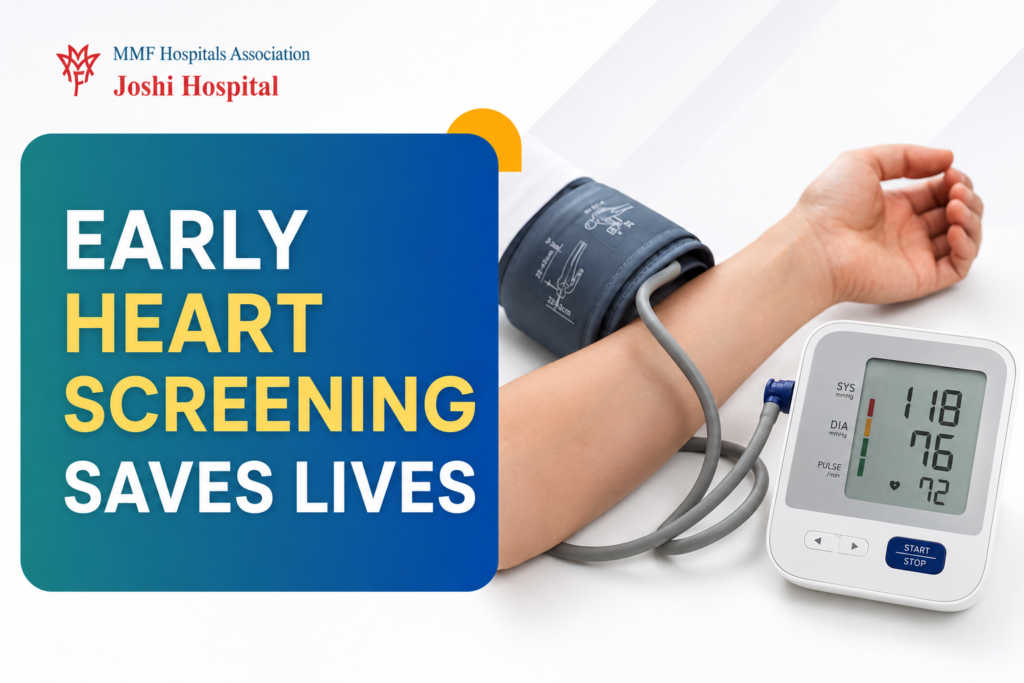
Heart disease does not always begin with obvious chest pain or severe breathlessness. In many people, risk factors such as high blood pressure, elevated cholesterol and diabetes develop quietly for years. A person may feel completely healthy while these conditions gradually affect the heart and blood vessels.
This is why early heart screening is important. A timely evaluation by a Heart specialist in Pune can help identify hidden risk factors, estimate the likelihood of future heart problems and guide preventive action before complications develop.
Why Heart Problems Can Go Unnoticed
Some cardiovascular conditions remain silent during their early stages. High blood pressure, for example, usually does not produce noticeable symptoms. Similarly, elevated cholesterol and blood glucose can only be identified reliably through appropriate testing.
The World Health Organization explains that raised blood pressure, blood glucose and blood lipids are important measurable cardiovascular risk factors. Early detection allows doctors to recommend counselling, lifestyle changes or medical treatment when necessary.
Heart screening is not only meant for people who already have symptoms. It is also a preventive step for individuals who want to understand and manage their cardiovascular risk.
What Is an Early Heart Screening?
An early heart screening is a medical assessment designed to evaluate the health of your heart and identify factors that may increase the possibility of heart disease, heart attack or stroke.
Depending on your age, symptoms, medical history and overall risk, a doctor may recommend:
- Blood pressure measurement
- Cholesterol or lipid profile
- Blood glucose or HbA1c testing
- Weight, body mass index and waist measurement
- Electrocardiogram, commonly known as an ECG
- Echocardiography or stress testing when clinically required
- Assessment of diet, exercise, smoking, sleep and stress
- Review of personal and family history
Not every person requires every cardiac test. A consultation with a Heart specialist in Pune helps determine which investigations are appropriate instead of undergoing unnecessary testing.
Why Early Heart Screening Matters
It Detects Silent Risk Factors
High blood pressure and high cholesterol may not cause early warning signs. Screening helps identify these problems before they contribute to significant blood vessel or heart damage.
The American Heart Association identifies blood pressure, cholesterol, blood glucose, body weight and lifestyle habits as key areas of cardiovascular screening.
It Supports Timely Treatment
Finding a risk factor does not automatically mean that heart disease is inevitable. It provides an opportunity to act early. Depending on the findings, the doctor may recommend dietary changes, regular physical activity, better sleep, stress management or medication.
Early treatment may help control blood pressure, cholesterol and diabetes more effectively and reduce the risk of future complications.
It Creates a Personal Heart Health Plan
Cardiovascular risk differs from one person to another. Age, family history, lifestyle, existing medical conditions and test results all influence the overall risk.
A specialist can combine these details to create an individual prevention or treatment plan. This is more useful than relying on one test result or a general health package.
Who Should Consider a Heart Checkup?
Regular heart screening becomes especially important if you:
- Have high blood pressure, diabetes or high cholesterol
- Smoke or use tobacco
- Are overweight or physically inactive
- Have a family history of early heart disease or stroke
- Experience frequent stress or inadequate sleep
- Have an unhealthy diet or excessive alcohol consumption
- Are entering middle age without having undergone a recent health assessment
- Previously had a heart attack, stroke or another cardiovascular condition
Even younger adults may need assessment when multiple risk factors or a strong family history are present. The frequency and type of screening should be decided with a qualified doctor.
Warning Signs That Need Immediate Medical Attention
Preventive screening is different from emergency care. Do not wait for a routine appointment if you experience:
- Chest pressure, pain, tightness or heaviness
- Sudden breathlessness
- Pain spreading to the arm, shoulder, back, neck or jaw
- Unexplained sweating, nausea or dizziness
- Sudden weakness, fainting or severe fatigue
- A fast, irregular or unusually slow heartbeat accompanied by discomfort
These symptoms require prompt medical evaluation. Heart-related symptoms can vary, and some people may experience less typical warning signs. Seeking timely care is safer than trying to diagnose the problem at home.
What Happens After a Heart Screening?
Once the evaluation is complete, the doctor reviews the findings alongside your symptoms and medical history. Normal results may provide a useful baseline for future comparisons. If a concern is identified, additional testing or closer monitoring may be advised.
Possible recommendations can include:
- Reducing salt, processed food and unhealthy fats
- Eating more vegetables, fruits, whole grains and appropriate protein sources
- Becoming physically active according to medical advice
- Stopping smoking and other forms of tobacco
- Managing blood pressure, cholesterol and blood sugar
- Taking prescribed medicines consistently
- Attending scheduled follow-up consultations
The goal is not simply to complete a set of tests. It is to understand the results and use them to protect long-term cardiovascular health.
Can a Healthy Lifestyle Replace Heart Screening?
A healthy lifestyle is essential, but it does not replace medical screening. Someone who exercises regularly and maintains a healthy weight may still have high cholesterol, hypertension, diabetes or an inherited cardiovascular risk.
At the same time, screening cannot replace healthy daily habits. The most effective preventive approach combines appropriate medical assessment with sustainable lifestyle changes.
Consult a Heart Specialist at Joshi Hospital
Early action can make a meaningful difference in heart health. If you have cardiovascular risk factors, a family history of heart disease or symptoms that concern you, consider seeking medical guidance at Joshi Hospital.
Consulting a specialist at a Heart Specialist Hospital in Pune can help you understand your risk, undergo appropriate investigations and receive a personalised care plan. A timely heart checkup today may help prevent serious complications in the future.
This article is intended for general awareness and should not replace consultation, diagnosis or treatment from a qualified medical professional.