
How to Keep Your Brain Healthy as You Age: Simple Habits for Healthy Aging
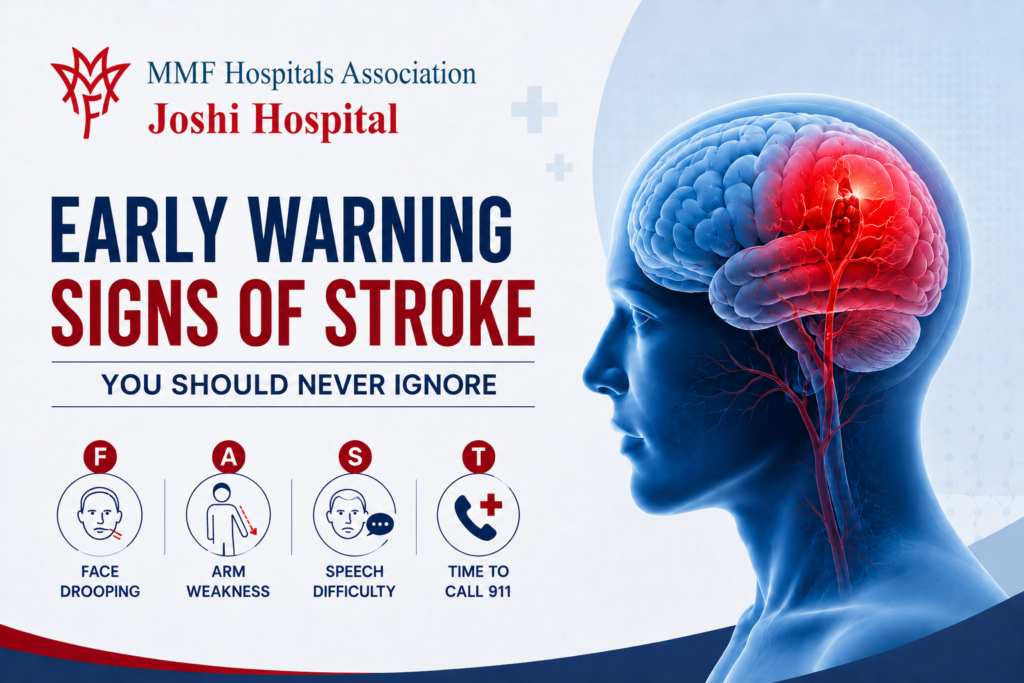
A healthy brain plays an important role in maintaining memory, concentration, decision-making, emotional well-being, and independence. As we grow older, some changes in thinking and memory are natural. However, adopting healthy lifestyle habits can help support cognitive function and overall neurological health. Many people assume that memory problems and reduced mental sharpness are unavoidable parts of aging. While occasional forgetfulness can occur with age, significant memory loss that interferes with daily activities should not be considered normal without medical evaluation. At Joshi Hospital, Pune, we believe that awareness, preventive healthcare, and timely neurological assessment are important for supporting brain health throughout life. Why Is Brain Health Important as You Age? The brain controls essential functions such as movement, memory, communication, emotions, and coordination. Aging can bring gradual changes in how the brain processes and recalls information. Maintaining good brain health may help support: Memory and concentration Learning and problem-solving abilities Emotional well-being Coordination and balance Independence in everyday activities Overall quality of life Although no lifestyle routine can completely prevent neurological conditions, several healthy habits are associated with better cognitive health as people age. 7 Simple Ways to Keep Your Brain Healthy as You Age 1. Stay Physically Active Regular physical activity supports healthy blood circulation and cardiovascular health, both of which are important for proper brain functioning. Activities such as walking, swimming, cycling, yoga, and age-appropriate strength exercises can contribute to overall physical and mental well-being. Brain health tip: Aim for approximately 150 minutes of moderate-intensity physical activity each week, if appropriate for your health. Older adults can also benefit from strength and balance exercises. Consult your doctor before beginning a new exercise routine if you have an existing medical condition or mobility limitation. 2. Eat a Balanced and Nutritious Diet The food you eat plays an important role in supporting brain health. A balanced diet provides nutrients required for normal nerve function and overall health. Include nutritious foods such as: Green leafy vegetables and seasonal fruits Whole grains, including oats and millets Nuts and seeds Pulses, beans, and other protein sources Fish or other sources of healthy fats, where suitable Limit excessive consumption of highly processed foods, added sugars, and foods high in salt. Brain health tip: A balanced dietary pattern rich in vegetables, fruits, whole grains, and healthy fats is associated with better long-term cardiovascular and cognitive health. 3. Get Enough Quality Sleep Sleep is essential for memory processing, attention, and normal brain function. Poor sleep may affect concentration, mood, and the ability to remember information. Most adults should aim for approximately seven to nine hours of sleep each night, although individual requirements vary. To improve sleep quality: Maintain a consistent sleeping schedule. Avoid excessive caffeine late in the day. Limit screen exposure before bedtime. Keep your bedroom comfortable and quiet. Discuss persistent sleep problems with a healthcare professional. Brain health tip: Persistent insomnia, loud snoring, or excessive daytime sleepiness may require medical evaluation. 4. Keep Your Mind Active and Engaged Mental stimulation encourages learning and helps maintain cognitive engagement. Simple activities such as reading, solving puzzles, learning a new language, playing musical instruments, or developing a new hobby can keep the mind active. You can also participate in conversations, educational activities, or community programs. Brain health tip: Choose activities that challenge you while remaining enjoyable. Learning new skills and maintaining regular mental engagement may support cognitive well-being. 5. Stay Socially Connected Social interaction is an important part of healthy aging. Regular communication with family, friends, and community members can support emotional health and reduce feelings of isolation. Consider participating in social gatherings, volunteering, joining hobby groups, or spending quality time with loved ones. Social connection may contribute to better mental well-being and is associated with healthier cognitive aging. 6. Manage Blood Pressure, Diabetes, and Cholesterol Your brain depends on healthy blood vessels to receive oxygen and nutrients. Conditions such as high blood pressure, diabetes, and elevated cholesterol can increase the risk of stroke and other vascular problems that may affect brain function. Regular health checkups, prescribed medications, balanced nutrition, and physical activity can help manage these risk factors. Brain health tip: Avoid smoking, limit alcohol consumption, and follow your doctor’s advice for managing existing medical conditions. 7. Pay Attention to Changes in Memory and Thinking Occasionally forgetting a name or misplacing an object does not necessarily indicate a serious neurological condition. However, persistent or worsening memory problems deserve medical attention. Warning signs may include: Frequently forgetting important information Difficulty completing familiar daily tasks Confusion about time or location Noticeable changes in speech or language Increasing difficulty with planning or decision-making Changes in behaviour or personality Early medical evaluation can help identify possible causes, including treatable conditions. When Should You Consult a Neurologist? A neurologist is a medical specialist who evaluates and manages disorders affecting the brain, spinal cord, and nervous system. Consider consulting a neurologist if you or a family member experiences persistent memory difficulties, recurring headaches, unexplained dizziness, changes in balance, numbness, tremors, or other neurological symptoms. Seek emergency medical care immediately for sudden facial drooping, weakness on one side of the body, difficulty speaking, sudden vision changes, or a sudden severe headache. These may indicate a stroke or another medical emergency. Brain Health and Neurology Services at Joshi Hospital, Pune Maintaining brain health involves a combination of healthy lifestyle choices, regular medical care, and appropriate evaluation when symptoms arise. Joshi Hospital, Pune, provides neurology services focused on the assessment and management of neurological concerns, including headaches, memory-related symptoms, movement difficulties, seizures, and other nervous system conditions. If you are concerned about changes in memory, concentration, coordination, or neurological health, a medical consultation can help determine whether further evaluation is necessary. Visit the Neurology Services page to learn more. Frequently Asked Questions (FAQs) 1. How can I naturally improve my brain health as I age? Regular physical activity, nutritious food, sufficient sleep, mental stimulation, social interaction, and management of cardiovascular risk factors can support brain health as you age. 2. What foods are good
How to Keep Your Brain Healthy as You Age: Simple Habits for Healthy Aging Read More »